Arabidopsis leaves form fewer stomata when the nuclear protein HDL is impaired
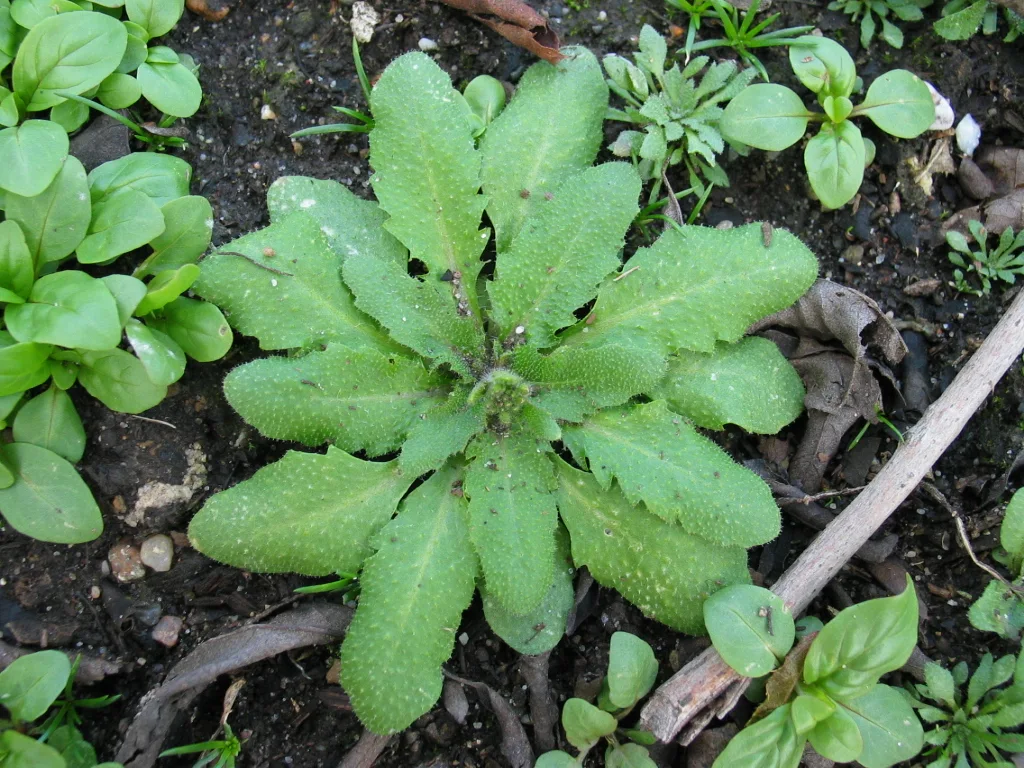
Academia Sinica described a study of Arabidopsis on 11 November. Researchers found that the nuclear protein HDL helps maintain chromatin organization. Leaves of plants with impaired HDL function developed fewer stomata and more leaf hairs.
Academia Sinica research announcement
How leaf-surface cells take different paths
Stomata are tiny openings on leaves that allow gas exchange and water loss. As the Arabidopsis leaf surface develops, some cells keep dividing to give rise to the stomatal lineage, while others differentiate into pavement cells or leaf hairs. Chin-Min Kimmy Ho's team at Academia Sinica studied a protein called HOMEODOMAIN-LIKE (HDL). In plants with impaired HDL function, the researchers observed fewer cell divisions, fewer stomata and more leaf hairs.
From the cell nucleus to the leaf
Chromatin consists of DNA and associated proteins. Using microscopy and genome-wide analyses, the team found that the organization of chromocenters was disrupted in the mutant plants. Accessibility and expression also fell at some genes involved in stomatal development. The results support a role for HDL in maintaining the balance between active and repressed chromatin regions. The paper appeared in Nature Communications on 22 August 2026. These are findings from Arabidopsis experiments. Effects on crop water use or yield would require separate tests.
