A fiber-optic cable recorded tiny earthquakes at a Utah geothermal field
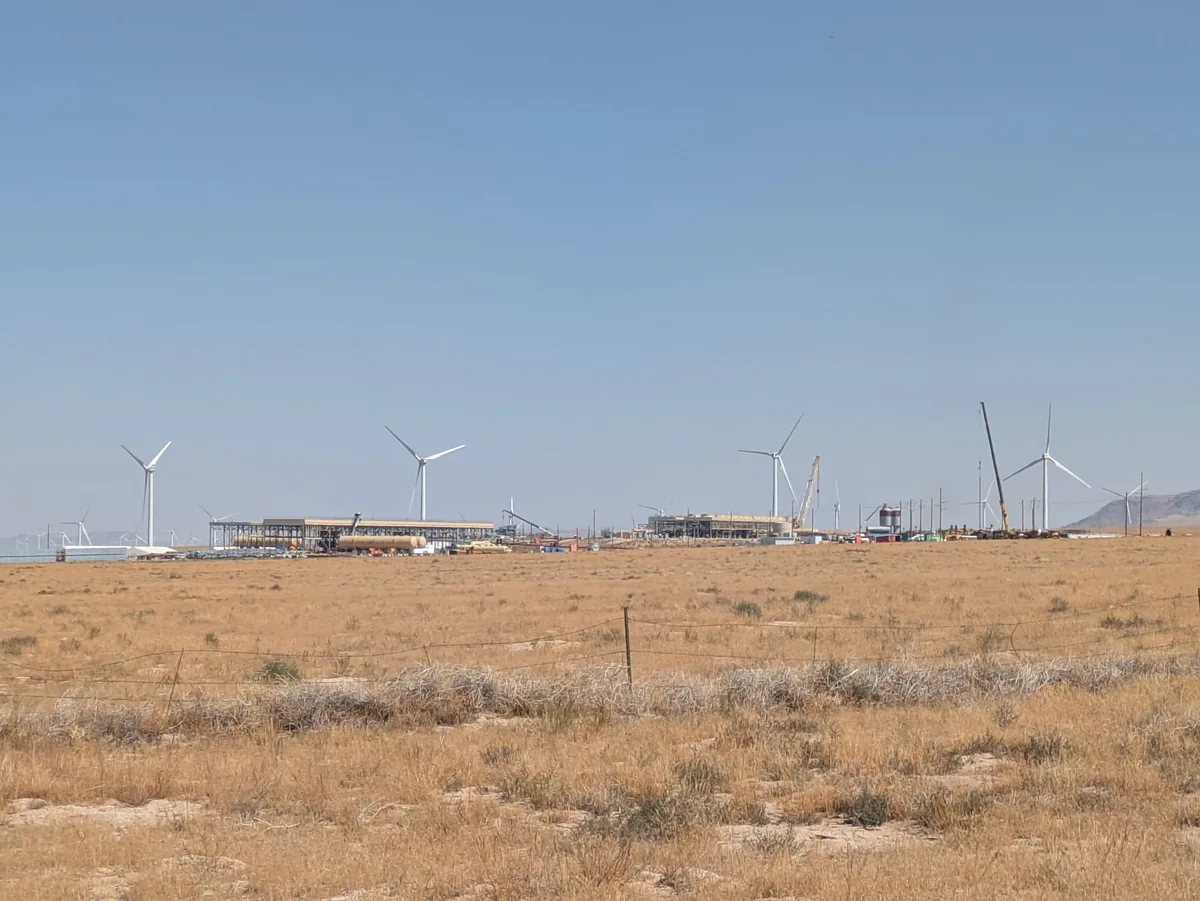
Researchers analyzed about 1,800 small earthquakes near Milford, Utah, using a fiber-optic cable in a borehole. The measurements showed that the shallow ground weakened seismic waves most strongly.
A cable with 1,600 measurement channels
Hilary Chang and colleagues analyzed earthquakes induced during work to open flow paths in hot rock at the Cape Modern geothermal field. The cable in a nearby vertical borehole provided 1,600 channels spaced about 2 metres apart. Pulses of light sent through the cable let the team measure how seismic waves stretched or compressed it. The study characterized events with moment magnitudes from about 0 to 1.7.
Accounting for the energy lost near the surface
The team used the measurements at different depths to estimate how much energy the first-arriving seismic waves lost in the upper 2,500 metres. The loss was greatest near the surface and generally decreased with depth. Accounting for this loss and for how the cable responds to waves helped the researchers estimate properties such as the size of the patch of rock that slipped. The results come from one field and a narrow range of earthquake sizes.
