Okinawa rail embryo developed to day 21 after insemination with frozen sperm
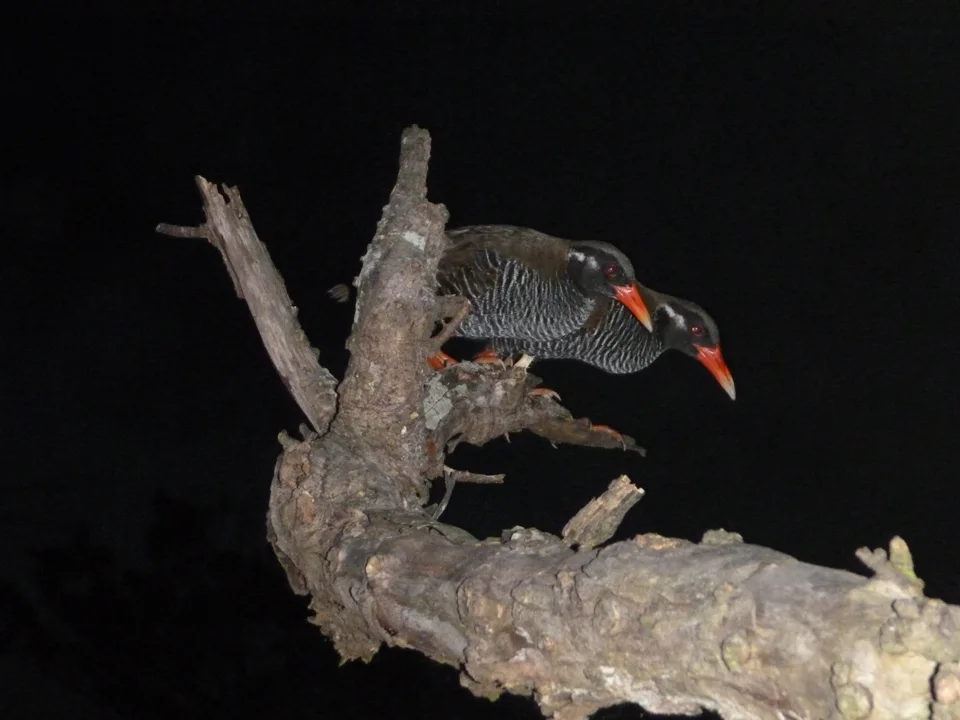
In a captive breeding study published in Scientific Reports on October 15, 2026, researchers obtained one fertilized Okinawa rail egg after artificial insemination with frozen and thawed sperm. The embryo developed to day 21 but died without hatching.
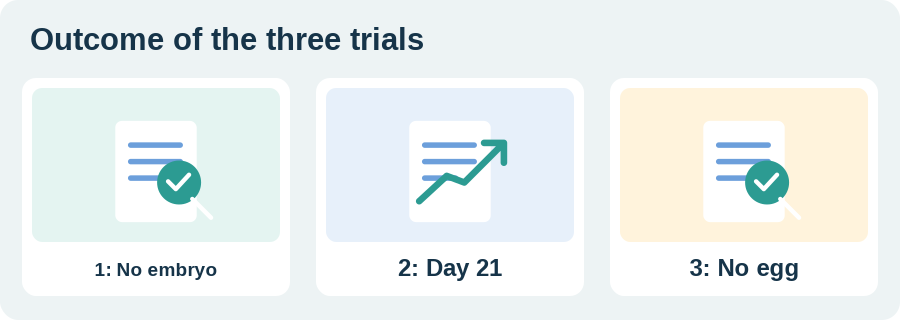
What happened in the three trials
The team used sperm from one male of the endangered species, which is native to northern Okinawa Island. The first insemination yielded an unfertilized egg, the second a fertilized egg, and the third no egg. The embryo in the incubated egg reached the expected day of hatching but failed to break through the shell. A genetic paternity test confirmed that the frozen sperm had fertilized the egg.
What the result means for conservation
Freezing sperm can preserve genetic material for later use in captive breeding. The researchers used N-methylacetamide to protect the sperm during freezing and were able to use it after thawing without removing the protective compound. The result shows that sperm preserved this way can fertilize an egg. With one embryo and no hatch, the study leaves open how reliably the method could produce chicks.

