Kyoto excavation reveals drainage channels and corridor remains at Heian Palace
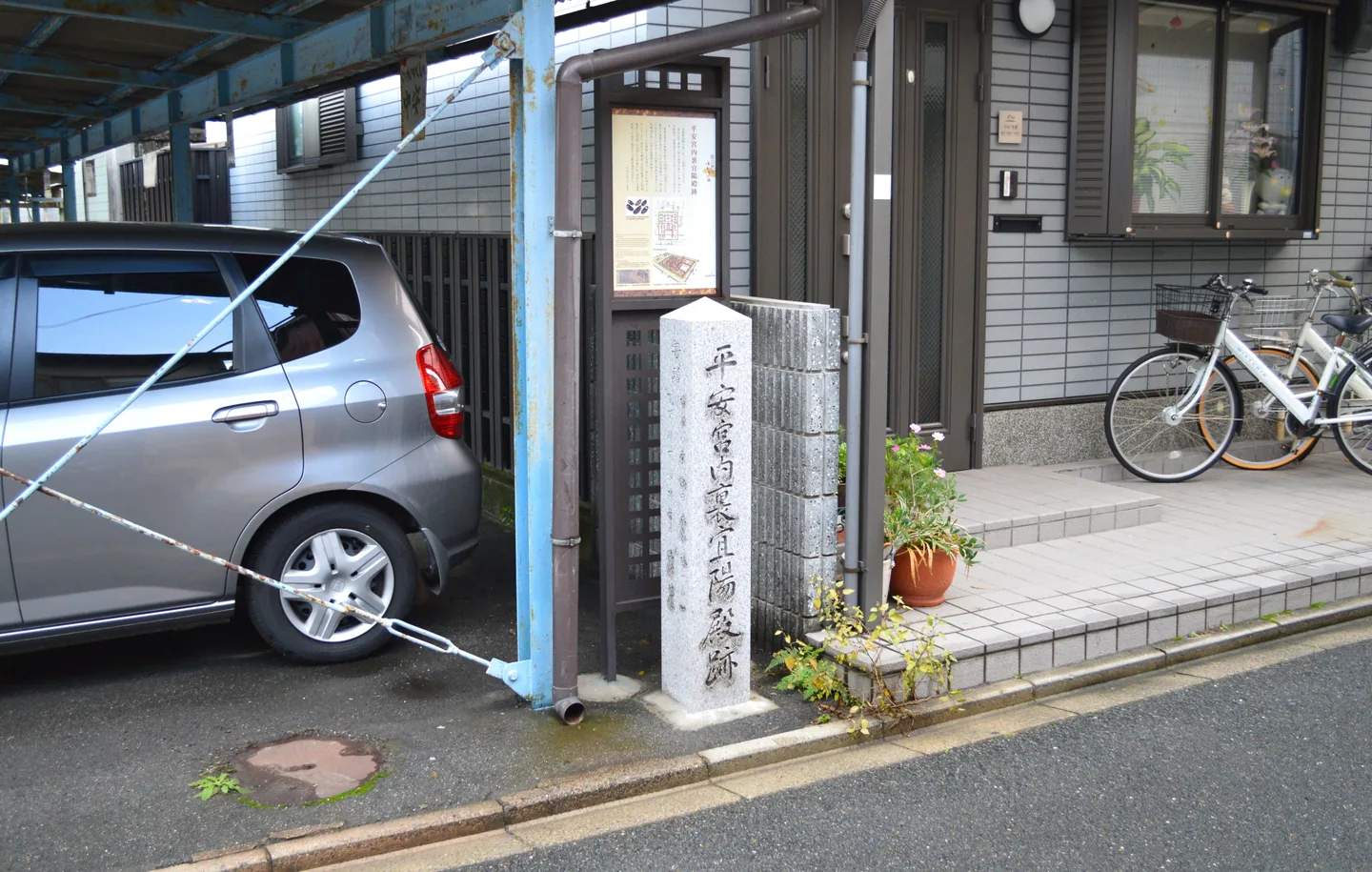
Kyoto City announced on 23 October 2026 that an excavation at the former imperial residence had identified a rainwater channel associated with Anpukuden and remains of the corridor that surrounded the inner compound.
Traces of buildings in the rainwater channels
Kyoto City's Cultural Properties Preservation Division reported remains associated with Anpukuden, an important building in the Heian Palace's imperial residence, and the inner corridor around the residence. The excavation in Tanaka-chō, Kamigyō Ward, began in September 2026. The city's announcement identifies a rainwater channel associated with Anpukuden, as well as the foundation platform and a rainwater channel of the inner corridor. Such channels caught water falling from roofs and help locate the edges of buildings and covered passages.
Locating the finds within the imperial residence
The imperial residence was the part of Heian Palace where the emperor and others lived. A corridor ran around its inner compound, with an earthen wall beyond it. An earlier Kyoto City excavation bulletin describes work near the residence's southwest corner. The new announcement pairs a reconstruction of the residence with the excavation location to show where the newly identified remains lay.
