Fossil shark tooth from Asturias extends the known range of Carcharopsis
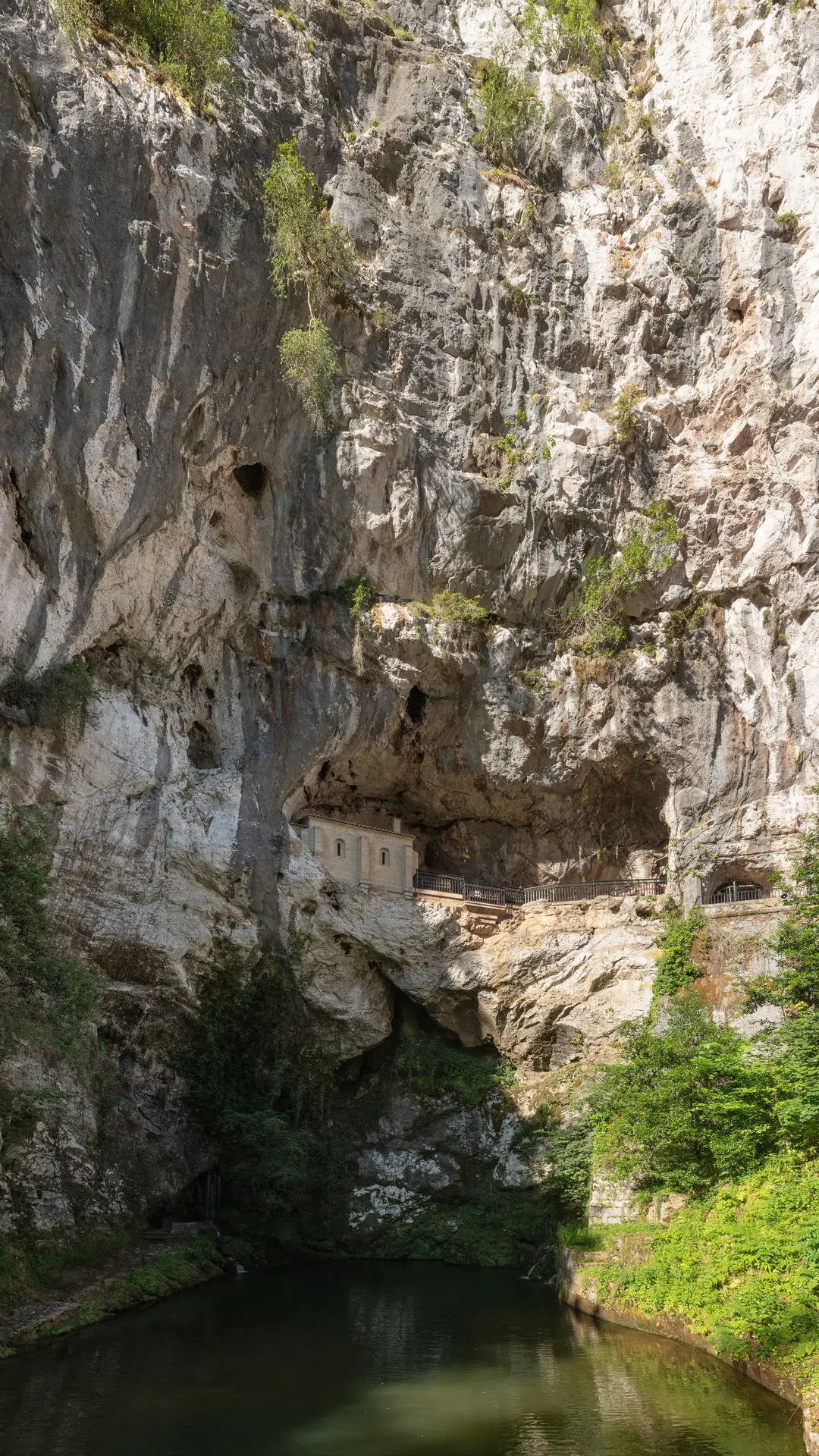
Researchers found a 43 mm fossil tooth in a paving slab near Covadonga in Asturias, Spain. The limestone dates to about 331 million years ago. The authors report the tooth as the first record of Carcharopsis on the northern margin of ancient Gondwana.
What the scans revealed
Silvia Blanco-Ferrera and colleagues used computed tomography to fit the fragments together digitally. The cutting edge has small serrations on its larger serrations. The shape allowed the team to assign the tooth to the extinct shark genus Carcharopsis. Its species remains undetermined. The authors suggest the slab may have been quarried near La Magdalena in León.
How the team estimated body length
The authors estimated a body length of roughly 4–6 metres by comparison with living sharks. Equations for the great white shark gave 4.6–5.8 metres if the fossil came from the front of the jaw. Its exact position in the jaw is uncertain, and the estimate depends on how closely tooth size scaled with body length in the extinct animal.