Plate motion off Japan may have sped up rifting in the Gulf of California
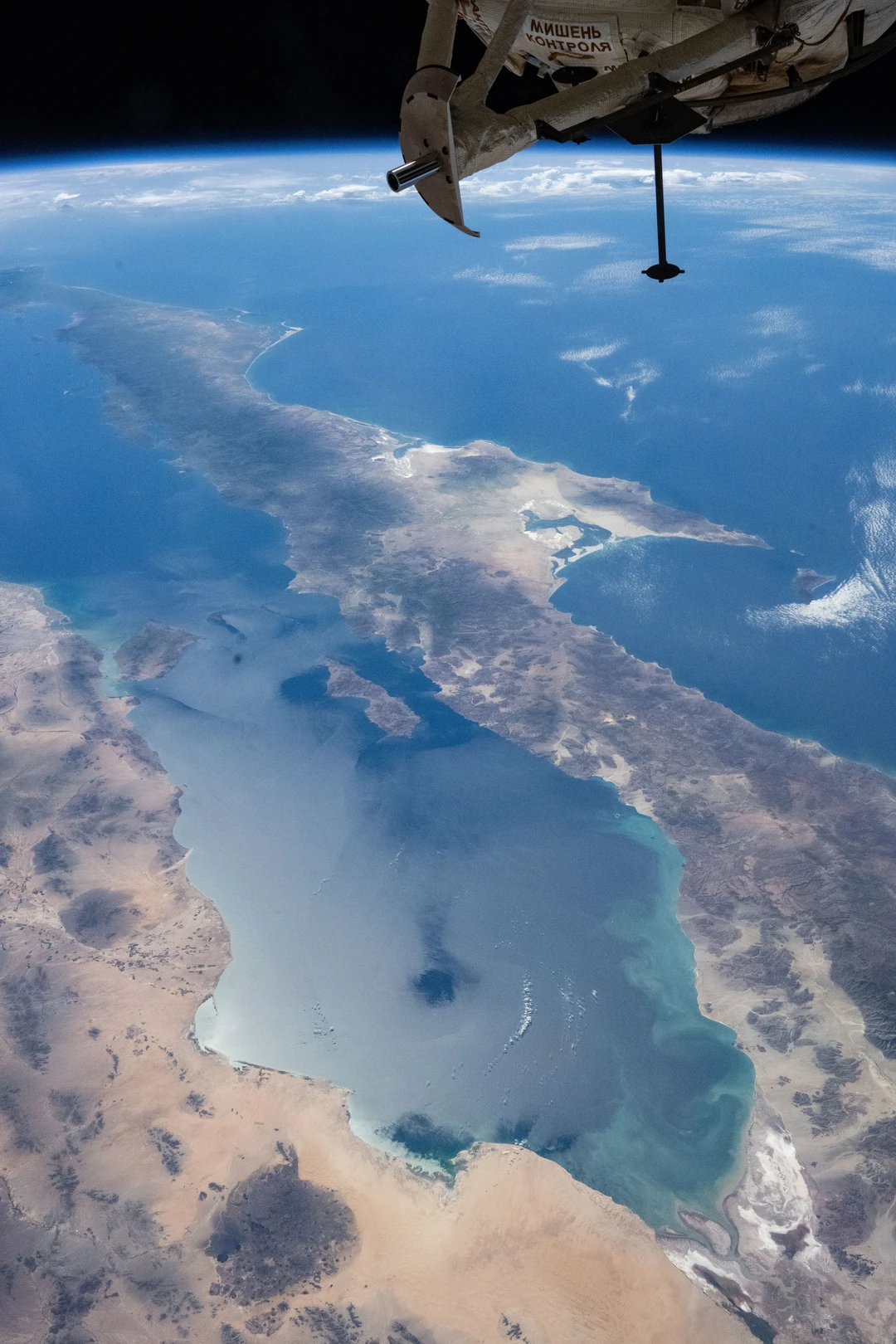
A study published in Science on October 29, 2026, suggests that a change in how plates sank off Japan may have helped pull apart the crust in Mexico’s Gulf of California, more than 9,000 kilometres away.
Gianni and colleagues, Science paper abstract (PubMed)

Two sinking slabs, one distant rift
At a subduction zone, one tectonic plate sinks beneath another. The researchers used a three-dimensional model to compare a single subduction zone with two interacting zones in the western Pacific. In the double-subduction simulation, stretching stress transmitted across the Pacific Plate reached about 5–15 megapascals, adding to the stress acting on the Gulf of California rift and the southern San Andreas Fault.
The gulf was already opening
The study places rapid rifting about 6–8 million years ago, around the time double subduction began in the western Pacific. Local weaknesses in Earth’s outer rocky shell had already allowed the gulf to start opening. The model offers a way for distant plate forces to have sped up that existing process. The stress values are model estimates.