Deep-sea mussel cells show a roughly 24-hour rhythm in culture
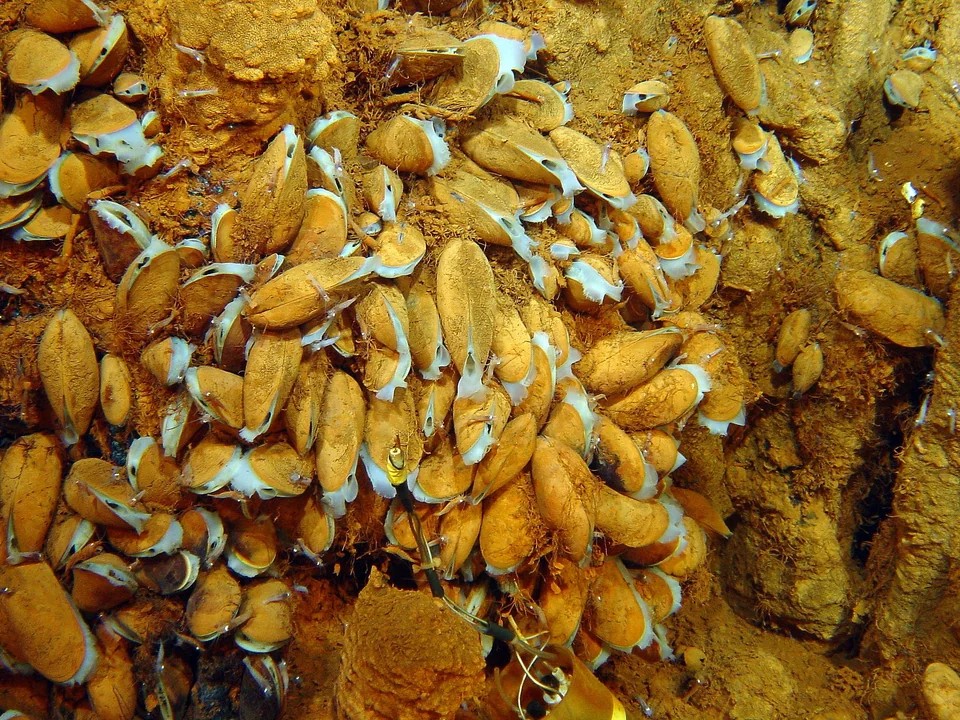
Cells from the deep-sea mussel Bathymodiolus azoricus showed roughly 24-hour cycles in the abundance of some RNA transcripts in culture. Earlier observations at the same vent field found a dominant 12.4-hour tidal rhythm.

How the team measured the rhythm
In a study published on November 2, 2026 in EMBO Reports, Audrey M. Mat and colleagues examined mussels collected at depths of 1,694 and 1,700 metres in the Lucky Strike hydrothermal vent field in Portugal’s exclusive economic zone. They cultured cells from the mussels’ foot tissue and sampled them every four hours for two days in constant darkness at 4 °C. See the photograph in the university release.
What the two periods tell us
The researchers found that roughly 24-hour rhythms predominated among rhythmic transcripts in culture. Earlier field observations found a dominant period of about 12.4 hours in behaviour and RNA levels. The culture results support the presence of an internal clock in the cells. How the rhythms are regulated in intact mussels on the seafloor remains open.

