A model links the magnetic fields of Uranus and Neptune to their interiors
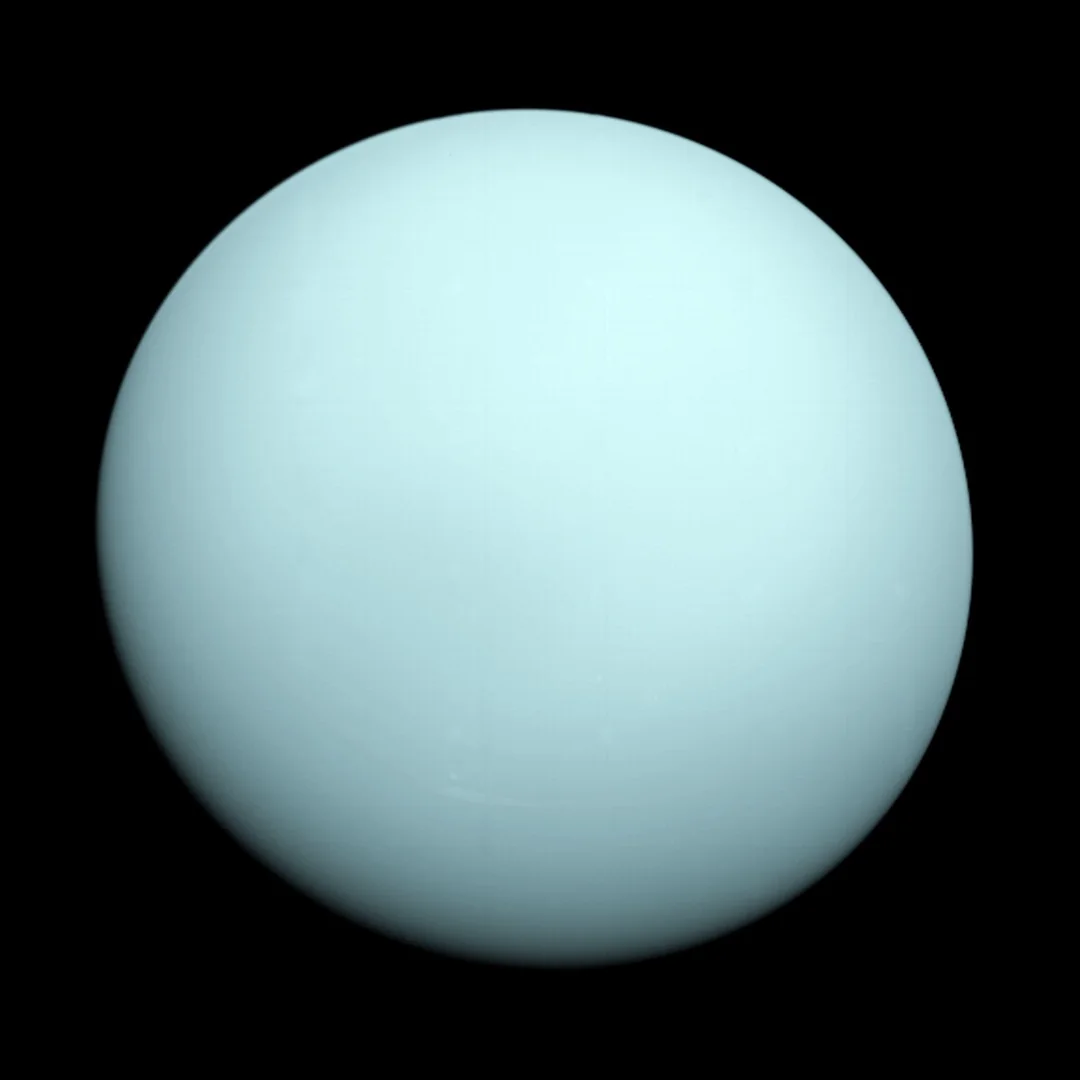
Simulations suggest that how easily material conducts electricity at different depths could explain the planets’ unusual magnetic fields.
A clue from Voyager 2
Voyager 2 measured the magnetic fields of Uranus and Neptune during separate flybys in the 1980s. The main magnetic axes were tilted by about 59° at Uranus and 47° at Neptune relative to their rotation axes. A study published on November 3 in Communications Physics tested whether changes in electrical conductivity with depth could help explain those unusual fields.
What the model can tell us
Moving, electrically conducting fluid generates a planetary magnetic field through a process called a dynamo. In the simulations, changing how well the interior conducts electricity at different depths helped reproduce the broad features Voyager 2 saw. Some simulations produced substantial changes in the field over decades. Each planet has been measured up close only once, so the observations leave the amount of any real change uncertain.