CSIRO identifies two paths to making battery components in Australia
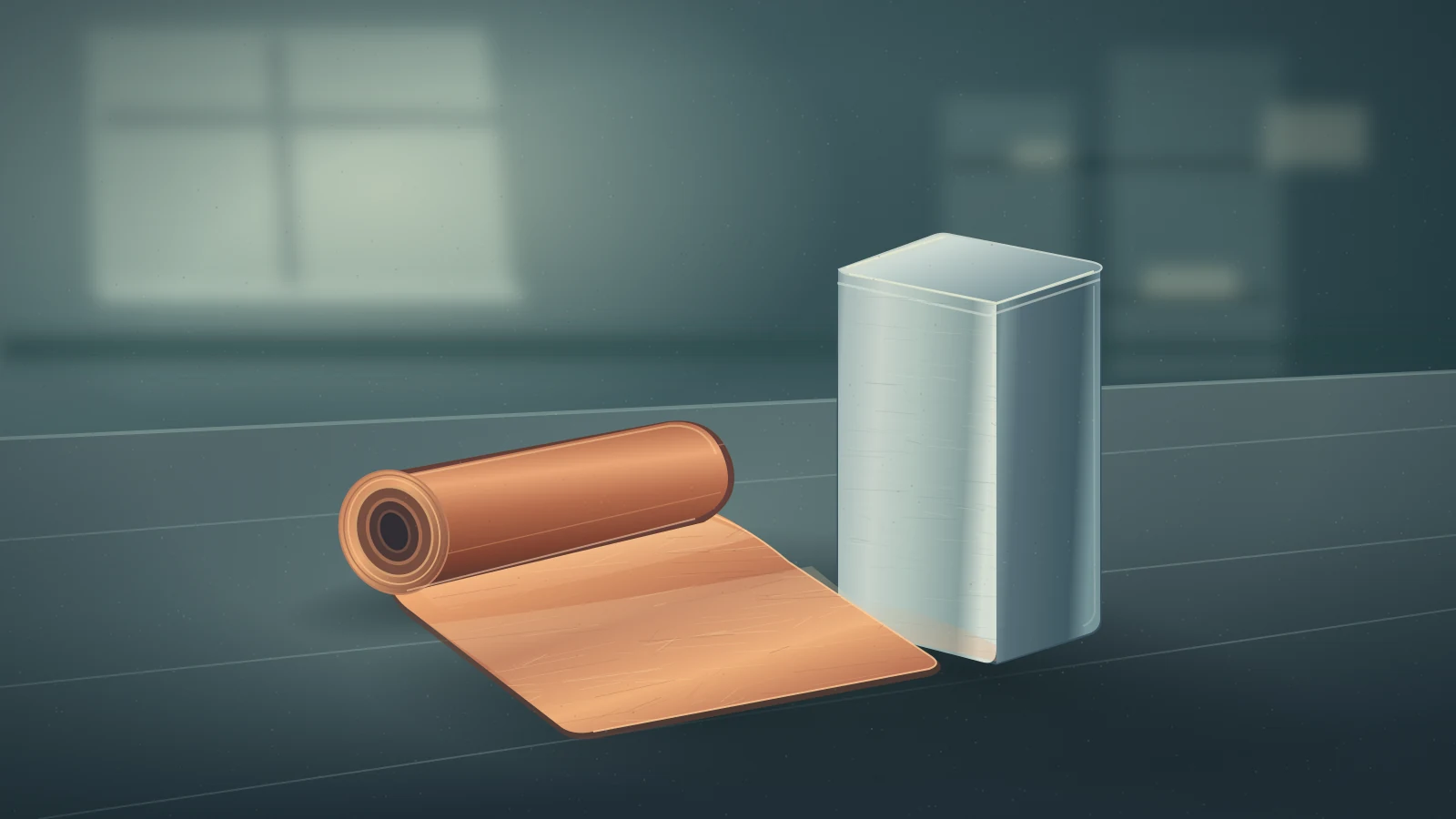
On 4 November 2026, Australia's national science agency CSIRO highlighted two prospects for local lithium-ion battery component manufacturing: aluminium cases for prismatic cells and copper current collector foil for negative electrodes.
Forming prismatic cases from aluminium
A metal cell case encloses and protects a battery's active parts. CSIRO identified impact extrusion of locally produced aluminium slugs as a promising route to thin-walled prismatic cases. The process forces aluminium to flow around a punch to form the case. Australia already makes aluminium and has experience with related products such as aerosol cans. Dedicated tooling and a production line for battery cases would still be needed.
Depositing copper foil
Copper current collector foil supports the negative electrode's active material and conducts electricity to the terminals. It is typically about 6 micrometres thick. CSIRO favoured further study of electrolytic deposition over rolling because it would require less initial capital and production capacity could grow by adding deposition cells. Australia already produces electrical-grade copper cathodes. Both routes are recommendations for further study. The report calls for technical and market assessments because factories need sufficiently high utilisation to be economically viable.