DNA traces 7,000-year-old leather from a Spanish cave to a domestic goat
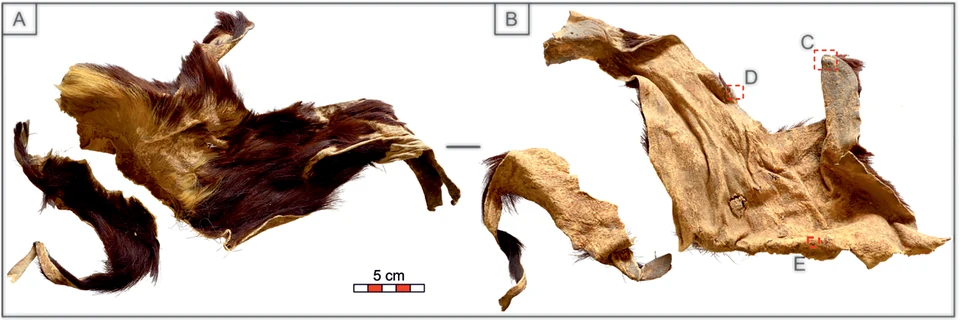
Leather from Cueva de los Murciélagos in Albuñol, southern Spain, came from a domestic goat. In a study published in PLOS One on 4 November 2026, researchers dated the leather to roughly 7,250–7,000 years ago and compared its DNA with that of wild and domestic goats.

What the leather preserves
The fragments retained hair on one side and showed signs of tanning and deliberate perforation. Radiocarbon dating placed the specimen in the Early Neolithic. The researchers found that its DNA shared more variants with modern domestic goats than with the wild Iberian ibex, supporting the identification as domestic goat.
What the comparison with Bermeya shows
Among the modern breeds compared, the specimen showed the strongest genetic affinity with Bermeya, a breed from northern Spain. The result points to shared ancestry. The team had fragmented ancient DNA and data from only four modern Spanish breeds, so the comparison cannot establish whether this particular goat was a direct ancestor of Bermeya goats today.