Fossil teeth from Thailand point to an Eocene rodent of about 30 kg
Two teeth from a coal mine in Krabi helped researchers describe Yakamys sirindhornae. Seven equations put its estimated body mass between 21.4 and 47.3 kg.
What the teeth show
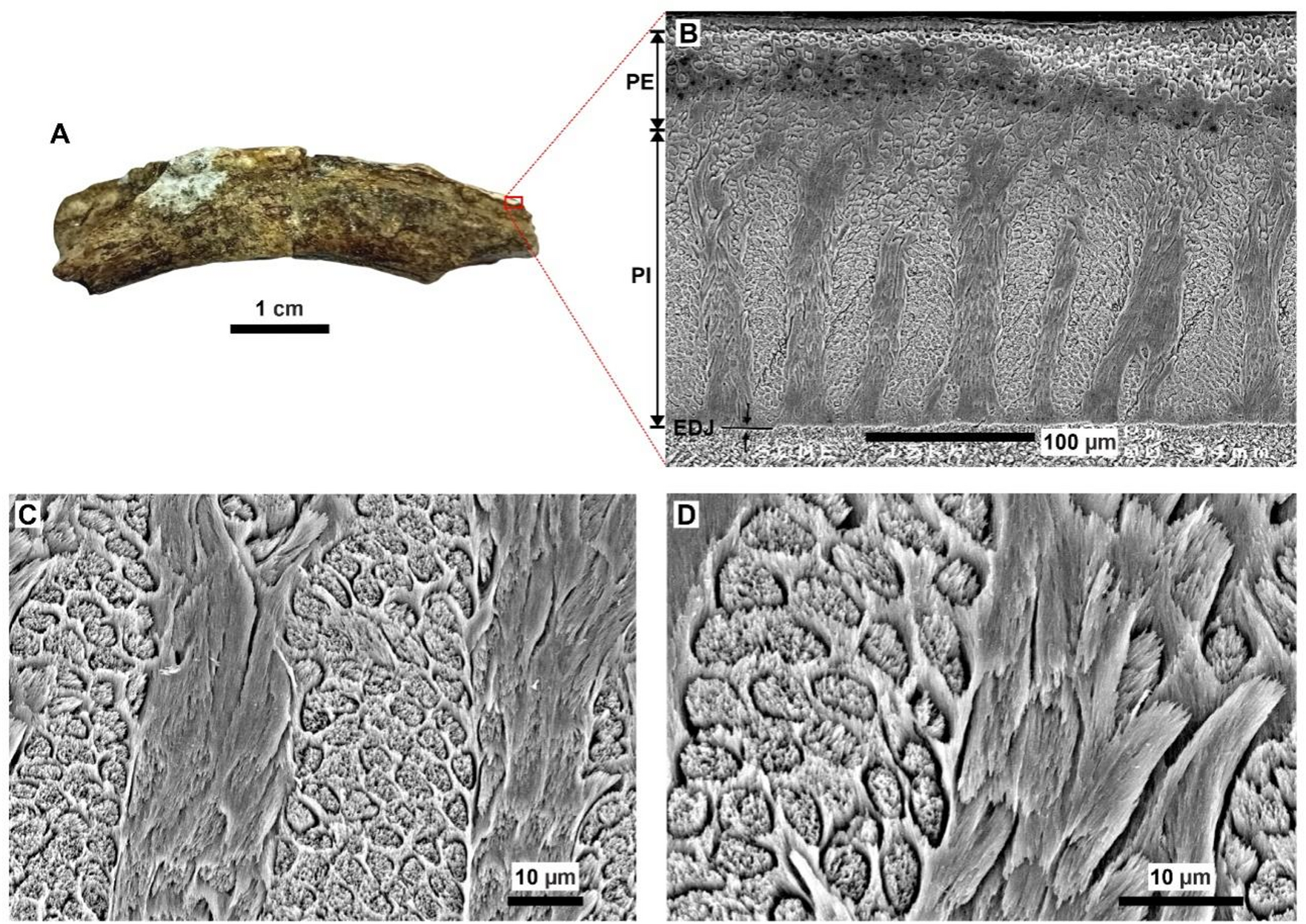
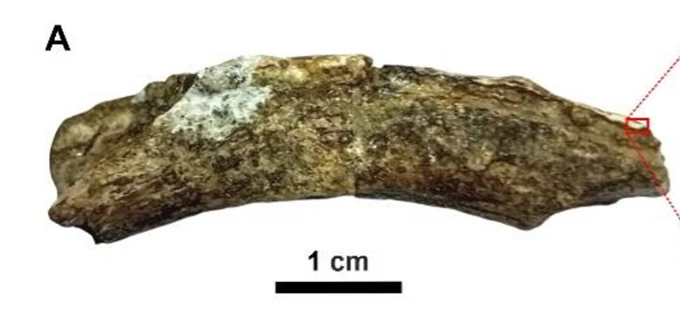
In a study published on November 4, 2026 in Scientific Reports, Yaowalak Chaimanee and colleagues described a new genus and species in the extinct rodent family Ischyromyidae. The fossils came from a clay layer within a coal seam at Bang Mark Pit in southern Thailand. The layer dates to the late Eocene, about 35.1 to 33.7 million years ago. The type specimen is a right lower second molar measuring 11.56 by 11.27 mm. The team provisionally assigned a fragment of a left lower incisor to the same species. The molar’s shape and the incisor’s enamel structure helped place the animal in this family.
How to read the weight estimate
The team applied seven equations linking tooth dimensions to body mass. The resulting estimates averaged 31.6 kg, with a median of 28.6 kg. The authors rounded the midpoint of those two summaries to about 30 kg. The spread across the equations shows how much the estimate depends on the model. The two teeth also leave the animal’s precise relationships within the family open.