Caltech’s ASTRA robot assembles a truss section in orbit
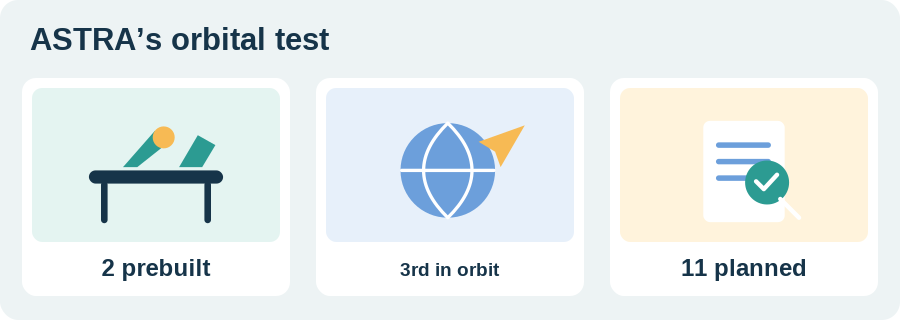
Caltech and the US Defense Advanced Research Projects Agency (DARPA) reported on November 5 that the ASTRA robot assembled a new section of a structural truss in low Earth orbit. The section was the third in a design for a 1.4-metre reflector antenna. The first two sections had been built on Earth and deployed in orbit.
Assembly from individual parts
ASTRA launched on March 30 aboard SpaceX’s Transporter-16 mission, hosted on Momentus’s Vigoride 7 spacecraft. Engineers sent commands from Earth and checked the results in photographs. On board, a robot that moves along three axes picked up composite tubes and aluminium joints and assembled them on a work plate. The system also deployed reflective material.
One section built in space
Caltech and DARPA describe the test as a first for automated assembly of a structure in space. The full design calls for 11 truss sections. The reported result demonstrates the assembly step for one new section. Completion of the reflector and its performance as an antenna remain unverified.