Kew highlights trees for a warmer, drier future after early leaf fall
On 6 November, the Royal Botanic Gardens, Kew reported that drought in spring and summer had led some trees to change colour early or lose their leaves. It highlighted five species it considers well suited to warmer, drier conditions.
Why autumn arrived early for some trees
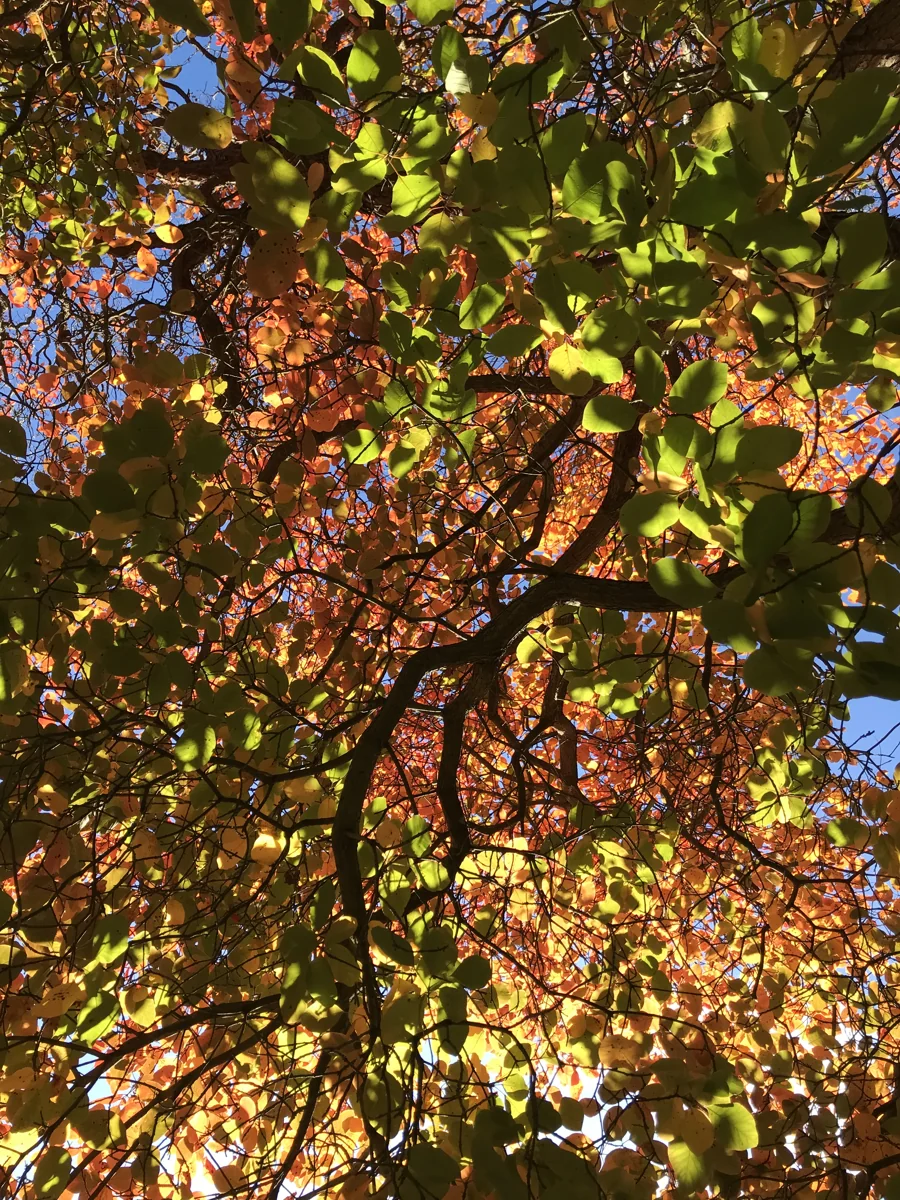
Kew describes premature colour change and leaf loss triggered by drought as a “false autumn”. At the gardens, some red oaks (Quercus rubra) and Japanese maples (Acer palmatum) still showed autumn colour. The observations show how differently trees responded in the same season. See Kew’s official autumn photo
Which trees Kew is looking at
Kew named Farges’ fir (Abies fargesii), Iberian alder (Alnus lusitanica), cherry hackberry (Celtis cerasifera), Montezuma pine (Pinus montezumae) and spoon oak (Quercus urbani). Many of these examples draw on Kew’s 2024 Landscape Succession Plan, which used West London weather data, climate modelling and records of where trees grow to assess the garden’s collection through 2090. For planting decisions, the shortlist is most relevant to sites expected to face conditions similar to Kew’s.
