Gorgona Island’s unusually young volcanic rock joins IUGS geological heritage list
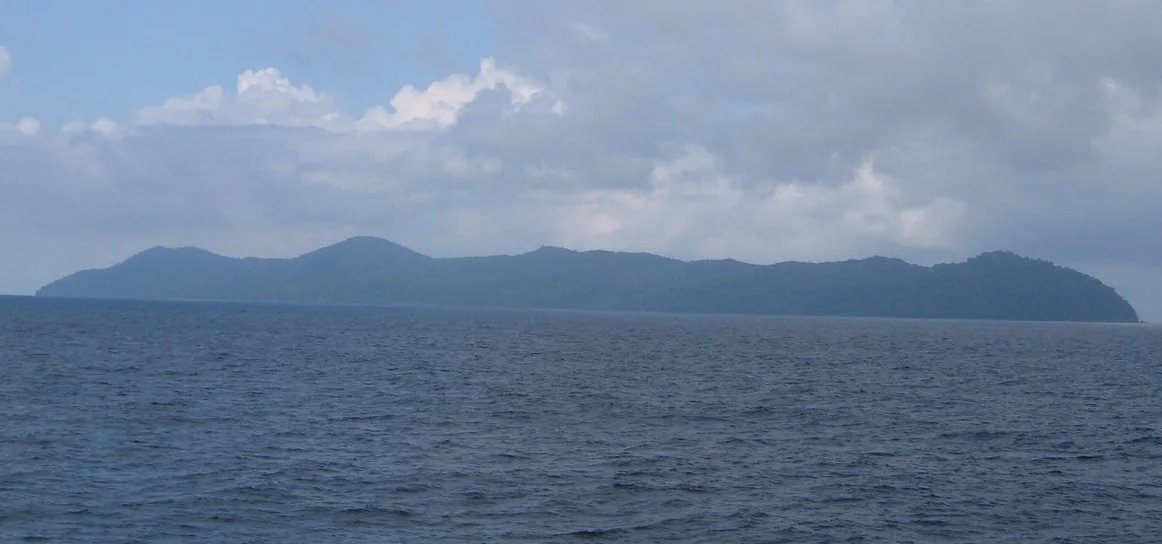
On 6 November 2026, the International Union of Geological Sciences (IUGS) announced its third group of 100 geological heritage sites, including komatiite outcrops on Colombia’s Gorgona Island.

A rare rock from a later chapter of Earth’s history
Komatiite is a magnesium-rich volcanic rock. Most examples are much older and date to early chapters of Earth’s history. The IUGS site description dates Gorgona’s komatiite to about 98–64 million years ago and describes it as the youngest yet reported. The outcrops are on an island off Colombia’s Pacific coast. View the IUGS outcrop photos
What the rock tells researchers about the mantle
Geologists use the rock’s composition to investigate the magma that produced it and estimate conditions in the mantle where that magma formed. The IUGS site description notes that a mantle plume, a rising mass of hot material, is still a debated explanation for the komatiite’s origin.

