Leaf gene activity reveals differences in plant defence between two field sites
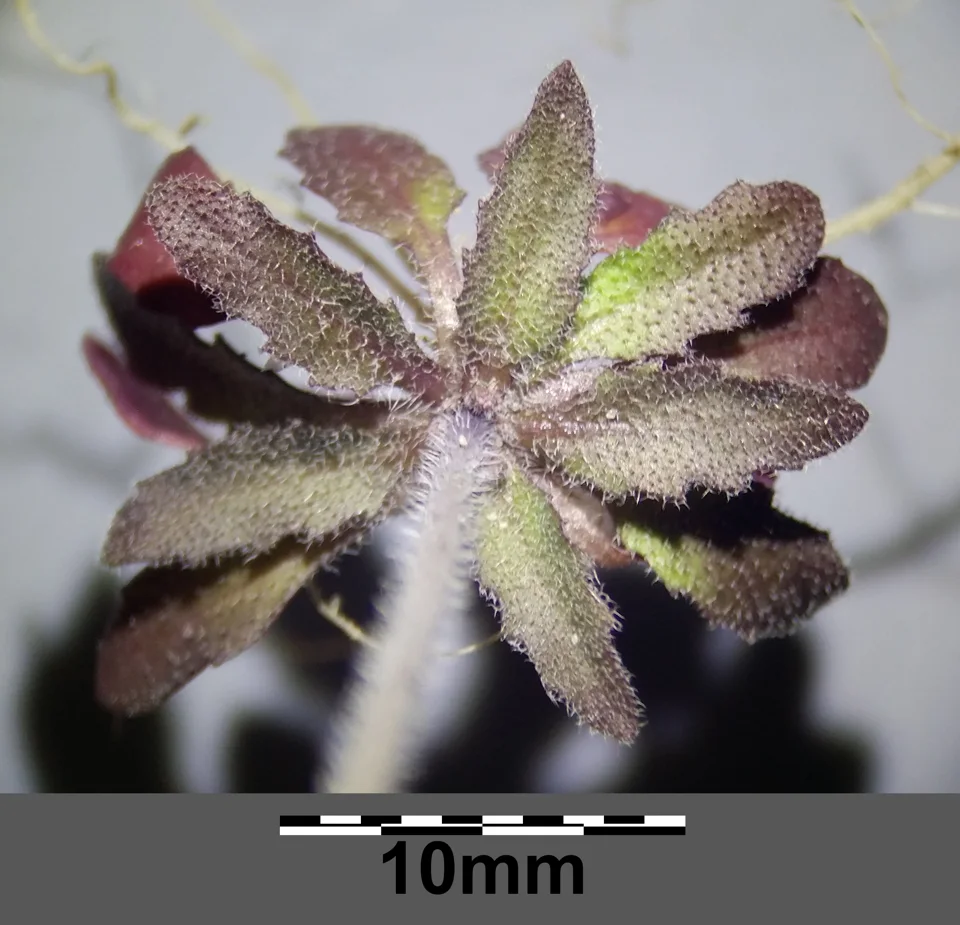
Researchers used gene expression in Arabidopsis thaliana leaves to estimate responses to two defence hormones. In field data from 2,381 plants, the responses tended to rise together in Otsu, Japan. The team detected no correlation in Zurich, Switzerland.

How the team read the leaves
The study, published in Communications Biology on 6 November, used 64 combinations of salicylic acid (SA) and jasmonic acid (JA) concentrations in the laboratory. The researchers measured which genes were active and how strongly, then used those patterns to estimate the strength of each hormone response in field samples. The estimates come from gene activity. Measuring hormone concentrations directly would require a separate test.
What differed in the field
The team applied the method to 1,195 plants in Otsu and 1,186 in Zurich. The two estimated responses showed a statistically significant positive correlation in Otsu. The researchers detected no correlation in Zurich. The sites also had different communities of plant-feeding insects. The field observations leave open whether those differences caused the response patterns. View Figure 7 in the study

