EFSA proposes new cycloxydim residue limits for salad greens
The European Food Safety Authority (EFSA) has proposed revising the maximum residue levels for the herbicide cycloxydim in several salad crops after assessing additional field trials.
Which limits would change?
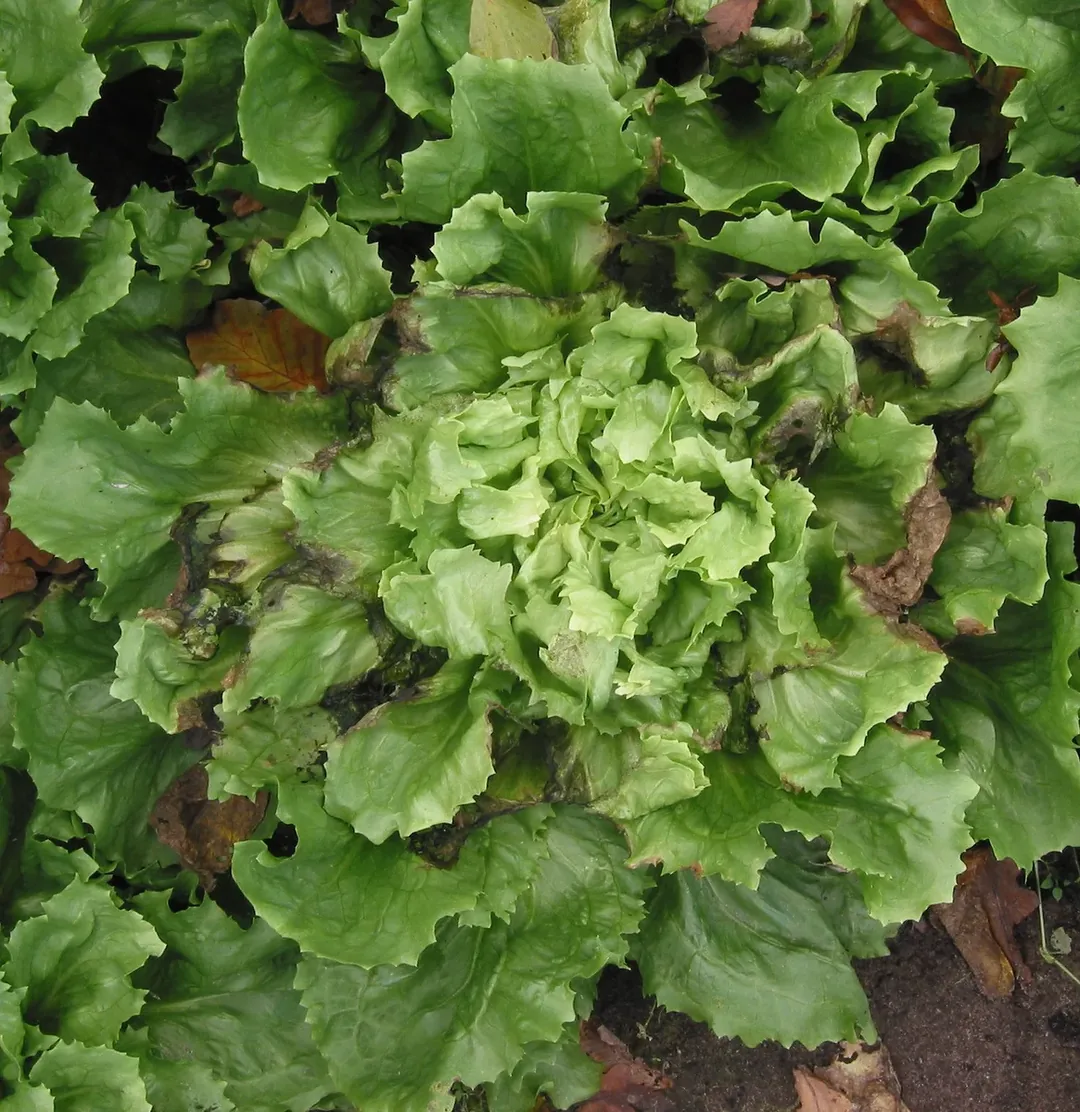
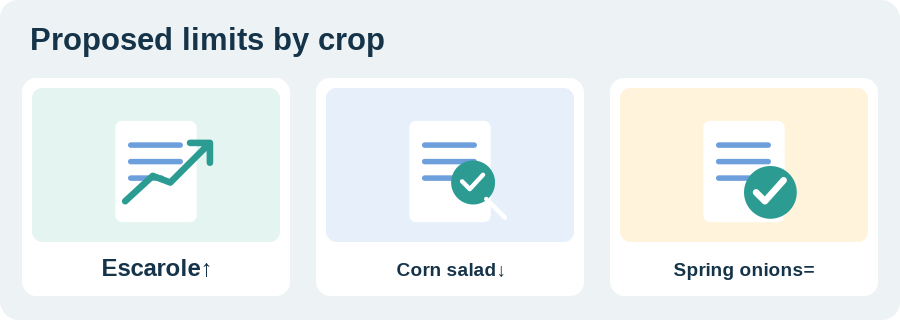
In its opinion published on 6 November, EFSA proposed raising the maximum residue level for escarole, land cress and the category covering cress and other sprouts and shoots from 1 to 1.5 mg/kg, to account for uses in southern Europe. It proposed lowering the limit for lamb’s lettuce from 2 to 1.5 mg/kg and keeping the limit for spring onions at 0.3 mg/kg. The additional trials covered spring onions and open-leaf lettuce varieties.
What the assessment found
EFSA concluded that short- and long-term dietary exposure from currently authorised uses is unlikely to pose a risk to consumers. A separate data gap remains for herbal infusions made from roots. Without a submitted analytical method for that product group, EFSA could not confirm the existing limit and proposed lowering it from 9 to 0.1 mg/kg, the default limit of quantification. The figures are recommendations in a scientific opinion. The European Commission and EU Member States are responsible for regulatory decisions.
