Hubble combines three observing campaigns in a new image of star cluster M30
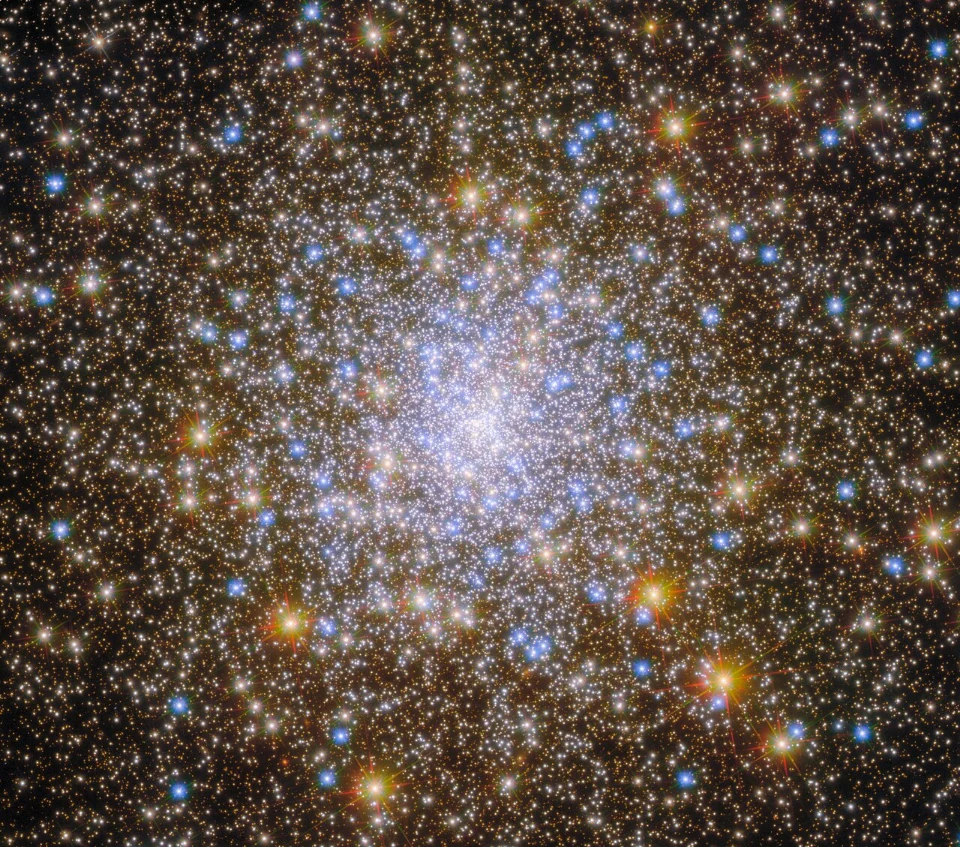
ESA and NASA released an image of the globular cluster M30 on 5 November. The cluster lies about 27,500 light-years away. The image combines ultraviolet, visible and near-infrared data, showing a crowded stellar core surrounded by more widely spaced stars.
Different wavelengths reveal different stars
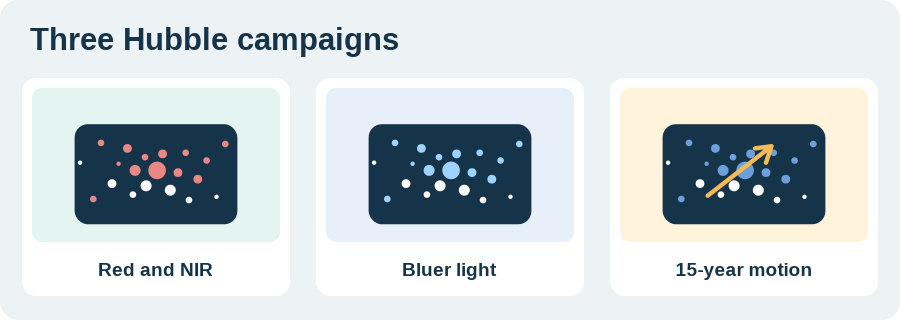
The first campaign used red and near-infrared light, reaching stars with about one-fifth the mass of the Sun. A later campaign used shorter wavelengths to help distinguish different populations of stars within the cluster.
Tracking stars across about 15 years
Follow-up observations let researchers compare stellar positions across about 15 years. M30 orbits in the opposite direction to the Milky Way’s rotation, a clue that it could have formed elsewhere and later been captured by our galaxy.