EFSA finds bacterial food powder safe for proposed uses
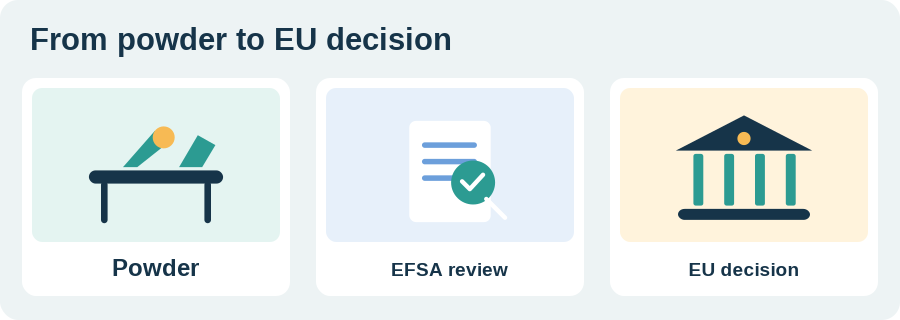
The European Food Safety Authority (EFSA) published its assessment on 9 November 2026, concluding that the powder is safe for the proposed uses. The EU has a separate process for deciding whether it can be sold.
What EFSA assessed
Finland’s Solar Foods submitted the powder, made from the bacterium Xanthobacter sp. SoF1, for use as an ingredient in several food categories. In a 90-day study in rats, EFSA’s panel found no adverse effects at doses up to 1,500 mg per kilogram of body weight per day, the highest dose tested. The panel judged the margins between the tested dose and estimated human exposure sufficient for the proposed uses.
Allergies and the EU decision
The panel said the powder’s potential to cause allergies remains unknown and cross-reactivity with known allergens cannot be ruled out. The European Commission and EU member states decide whether to authorise sale as a novel food.