Researchers test smoke in reconstructed prehistoric homes in Serbia
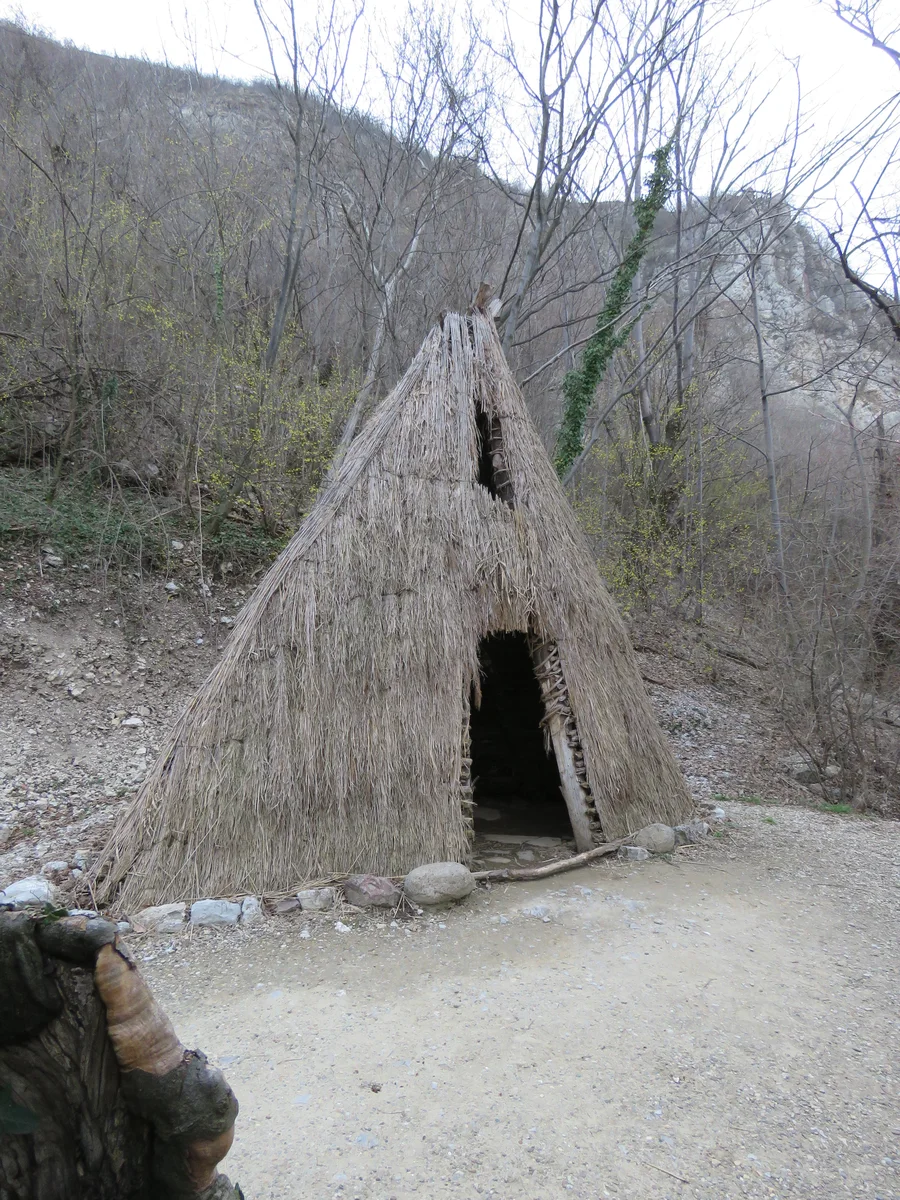
From 26 to 29 October 2026, an IPHES-CERCA team set experimental hearths inside reconstructed dwellings at the Lepenski Vir Museum beside the Danube in Serbia. On 9 November the institute said it was studying how fuel and dwelling design shaped living conditions.

Why light a fire in a replica?
The dwellings reproduce the trapezoidal plans documented at the site. According to IPHES-CERCA, earlier studies of fuel remains identified pine and ash among the main woods used. The team is studying smoke from different woods and how it moves indoors. The announcement gives no measurements or comparative results.
What charcoal may reveal
The team collected samples of local oak to build a reference collection for interpreting archaeological material. Anatomy and growth patterns preserved in charcoal may help distinguish branches from trunks. The museum and IPHES-CERCA signed an agreement to support future research on fuel and plant resources.
