Ancient DNA points to trisomy 13 in an infant buried in Nasca-period Peru
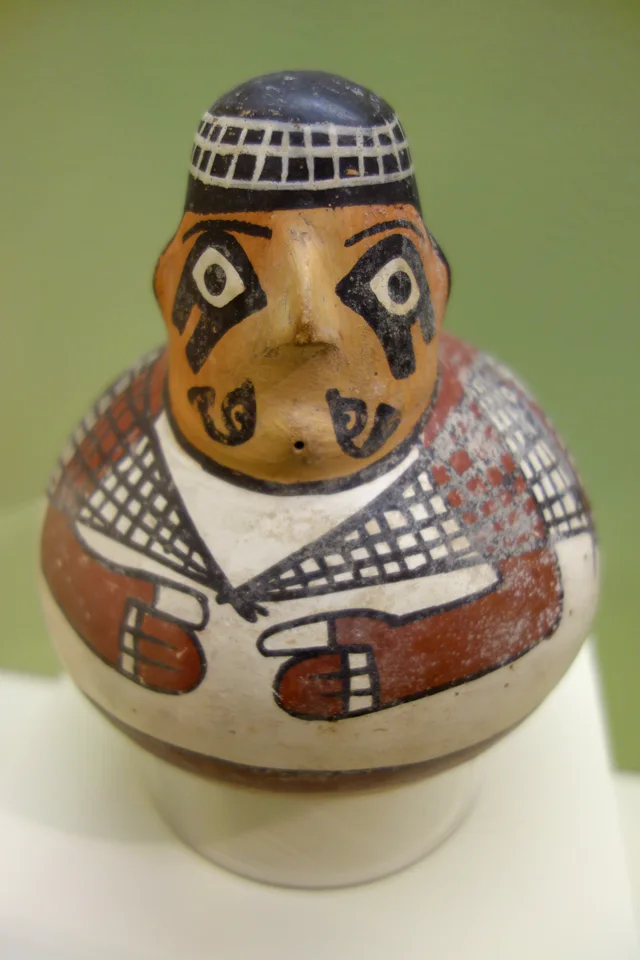
Researchers found evidence of an extra copy of chromosome 13 in one of two infants buried in a ceramic vessel at Jauranga in southern Peru.

Two infants in a ceramic vessel
A study published online on November 9, 2026, in PNAS examined two infants buried together in a ceramic vessel at Jauranga, in southern Peru, during the Middle Nasca period. The infant designated JA13A had a single eye socket at the center of the skull and other skeletal features that the researchers identified as signs of cyclopia. They found no comparable skeletal features in JA13B.
What the DNA shows
Analysis of ancient DNA indicated an extra copy of chromosome 13 in JA13A. The researchers identified trisomy 13 as the likely cause of the cyclopia. The DNA also indicated that the two infants were unrelated through the maternal line. Their burial together documents how they were interred. How long JA13A lived and what care the infant received remain unknown.

