One microwave pulse performed a three-qubit operation in 65 nanoseconds
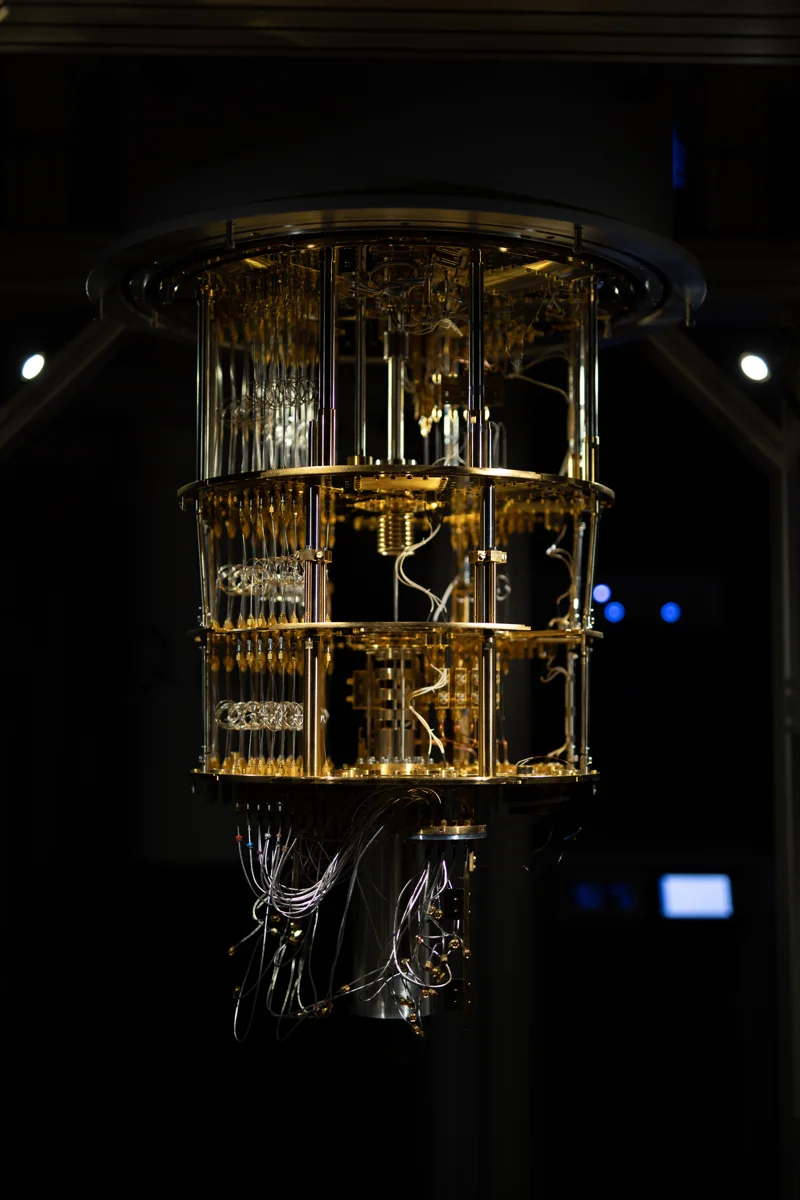
NUST MISIS has reported an experiment with three superconducting qubits. The researchers measured 99.39% fidelity for a three-qubit operation lasting 65 nanoseconds.

How one pulse controls three qubits
On 9 November 2026, NUST MISIS described an experiment using three fluxonium qubits linked through a transmon-based coupler. The coupler’s transition frequency depends on the combined state of the three qubits. A microwave pulse at a selected frequency changes the phase of a chosen state, allowing the three-qubit operation to run directly instead of being assembled from a sequence of two-qubit gates.
What the researchers measured
In a preprint submitted to arXiv on 29 July, the authors reported testing a variant of the CCZ gate that changes the phase of the |000⟩ state. Cross-entropy benchmarking gave a best fidelity of 99.39(5)% for a 65-nanosecond gate. That figure measures this particular operation on the three-qubit device. The authors’ comparison with a decomposition requiring approximately 99.94% fidelity for each two-qubit CZ gate is an estimate based on a circuit-level noise model.
