What would it take to qualify as Japan’s secondary capital?
Japan’s e-Gov law database listed an update on November 9 for the cabinet order setting the criteria for a secondary capital. The order, promulgated and effective on October 30, sets thresholds for national government branch offices, municipal population and prefectural economic output. It also specifies how local government must be organized. Osaka Prefecture and Osaka City plan to discuss possible dates for establishing special wards and review financial projections at a November 10 meeting.
Cabinet Secretariat — text of Cabinet Order No. 342 (PDF on e-Gov)
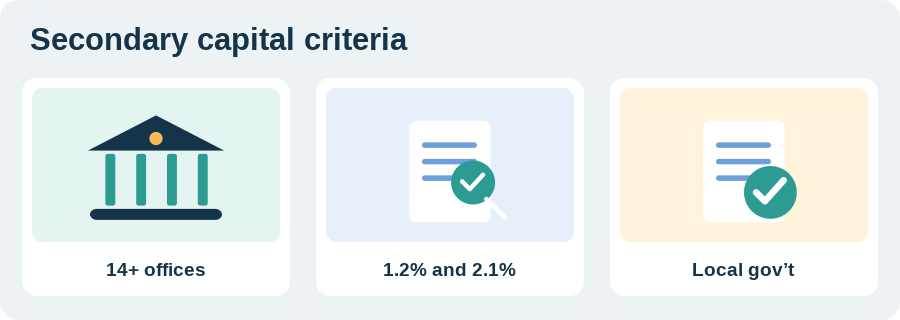
Population is measured by municipality and output by prefecture
Article 2 of Cabinet Order No. 342 requires at least 14 regional branch offices of the national government within the municipality. The municipality must also account for at least 1.2% of Japan’s population, based on the latest census results published in the Official Gazette. The economic threshold applies to the prefecture containing the municipality. For each of the three most recent fiscal years with published figures, the order divides prefectural gross product by Japan’s GDP for that year. The average of those three shares must be at least 2.1%. Special wards created under the relevant law within a single prefecture are treated together as one city for these tests.
Two ways to meet the local government requirement
One route is to establish special wards under the law on special wards in metropolitan areas or to issue the statutory notice for their establishment. The other is for a city designated by government ordinance and its prefecture to adopt a joint plan to provide backup for capital functions and foster economic growth, sign a cooperation agreement setting out who does what and how they will work together, and put the required arrangements in place, such as a joint administrative unit. The areas covered include urban planning, disaster preparedness, education and research.
What Osaka plans to discuss
According to Osaka Prefecture’s November 6 announcement, the prefecture and city plan to convene their council at Osaka City Hall at 11:30 a.m. Japan time on November 10. The agenda includes Osaka’s vision for a secondary capital, the timing of any move to special wards and financial projections. The cabinet order sets nationwide criteria for designation. The council is where the prefecture and city discuss their own plans for local government.
Primary sources
- Cabinet Secretariat — text of Cabinet Order No. 342 (PDF on e-Gov)
- Cabinet Secretariat — consultation results and promulgation date
- Digital Agency — e-Gov list of updated laws and regulations
- Osaka Prefecture — announcement of the 13th council meeting
- Original photograph by 663highland (Wikimedia Commons)
- Photo license (CC BY 2.5)
