Japan report calls for review of restrictions on women’s underground work
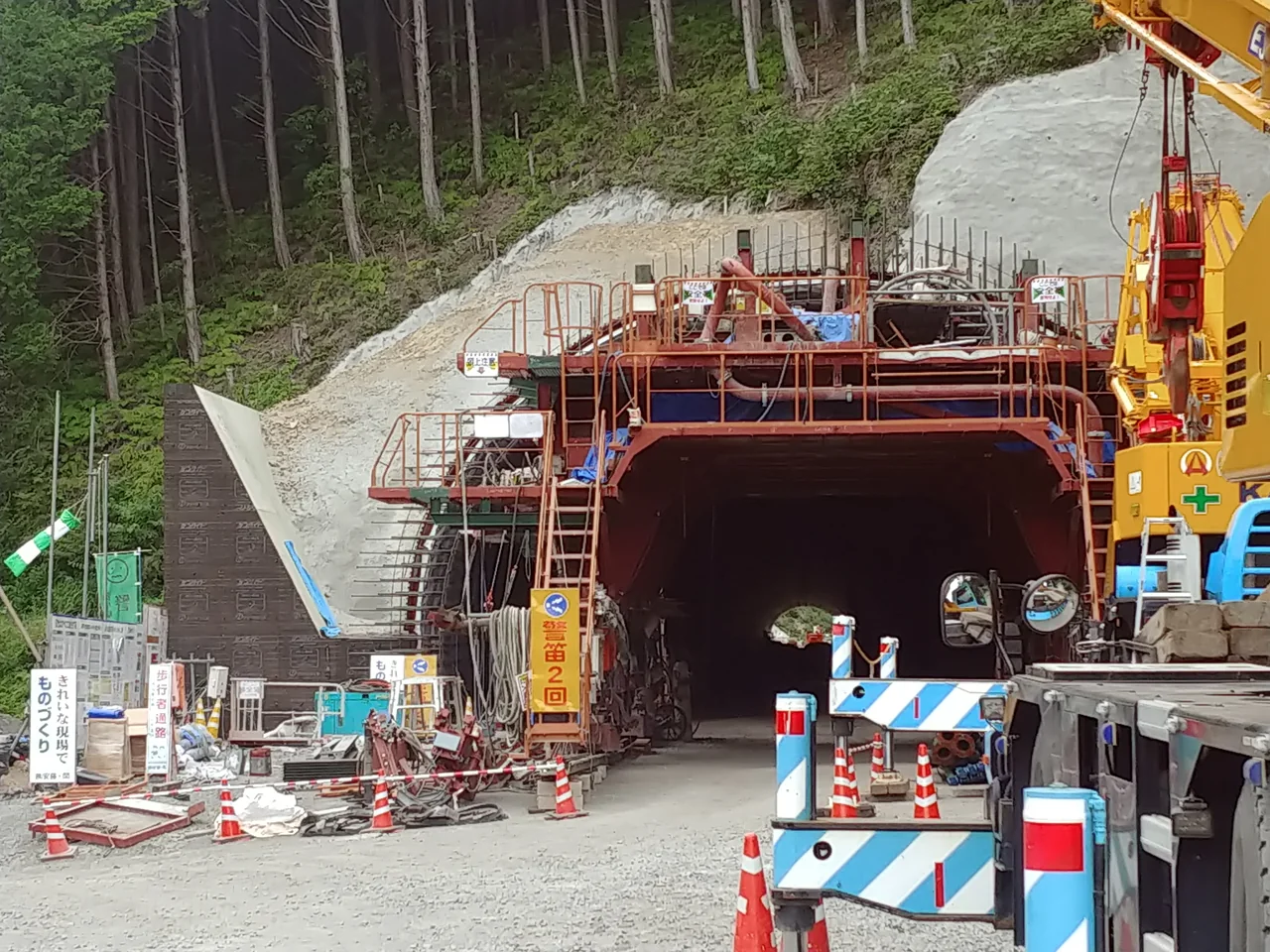
Japan’s Ministry of Health, Labour and Welfare published an interim report on November 9 on women’s underground work in mines and tunnel construction. Citing changes in working conditions such as mechanization, the report called for a review of job restrictions, provided that workplace safety and maternity protections are secured. The current restrictions remain in force.
MHLW, full interim report on underground work (November 9, in Japanese)
Which tasks are restricted today
A legal amendment that took effect in 2007 allowed adult women to take on roles such as technical management and supervision underground. Restrictions still apply to manual excavation, rock blasting, powered excavation other than by remote control, and some related tasks. All underground work is prohibited for pregnant women and for women who gave birth less than a year earlier and have asked to be excused from underground duties.
A survey of 423 women connected to construction
The report found that 31.4% of respondents favored lifting the restrictions and 36.2% favored easing them in part, for a combined 67.6%. Another 9.9% favored keeping the restrictions as they were, and 21.3% were unsure. In interviews, participants raised concerns about site facilities, health effects and the possibility of being assigned to underground work against their wishes.
How the work has changed and what a review would require
According to the report, mechanization and remote operation are reducing the need for workers to operate close to the excavation face. Some tasks, including moving materials and handling hoses, still have to be done by hand. The report called for considering a review while retaining maternity protections and rules on heavy loads and hazardous substances, with suitable protective equipment, site facilities and safety training in place. It also called for employers to check workers’ preferences and consider the risks of each task when making assignments.
