Bank of Japan to add wage questions to Tankan survey in June 2027
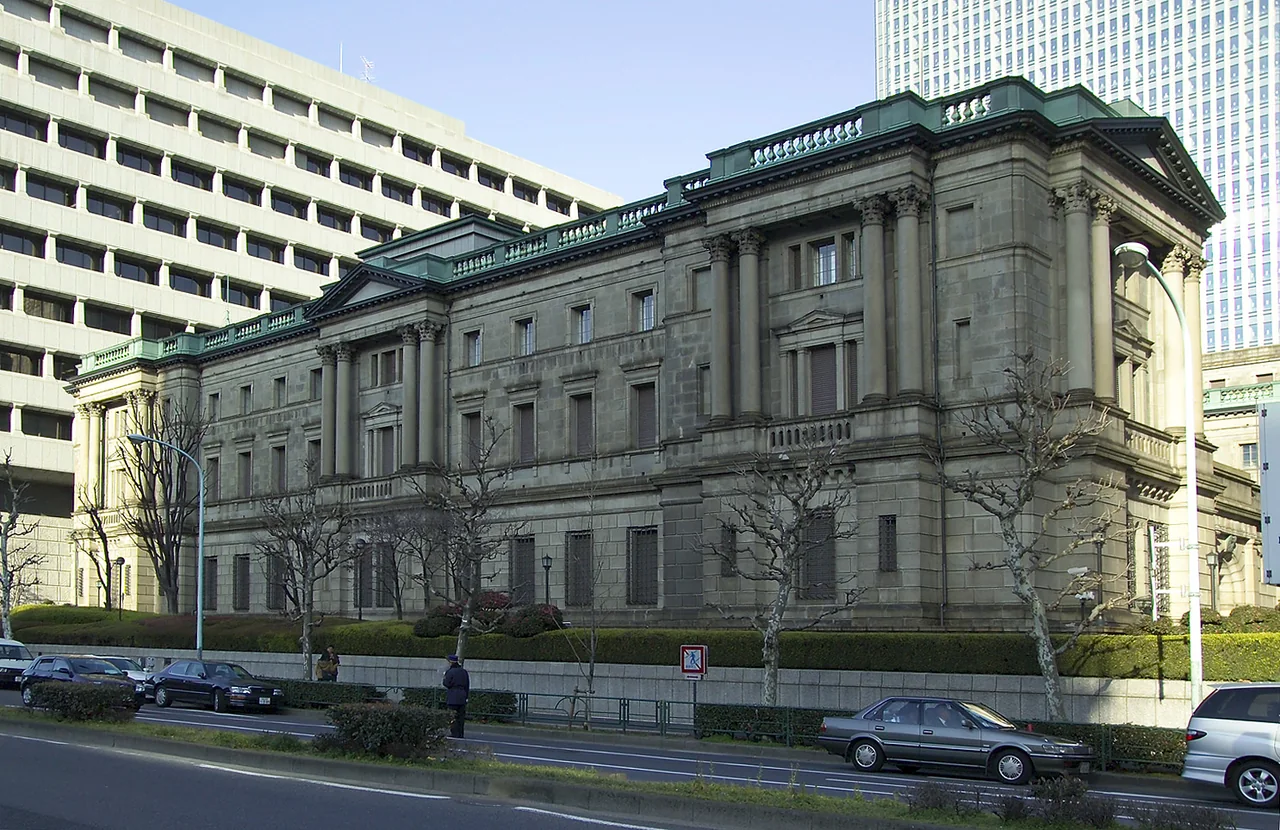
The Bank of Japan announced on November 9 that it will add wage questions to its Tankan business survey. From June 2027, the bank will ask companies twice a year, in June and December, how scheduled pay per regular employee has changed from the previous fiscal year. In June it will ask for the previous year’s results and the current year’s plans. In December it will ask for estimates for the current year and forecasts for the next.
Bank of Japan — November 9 announcement (Japanese)
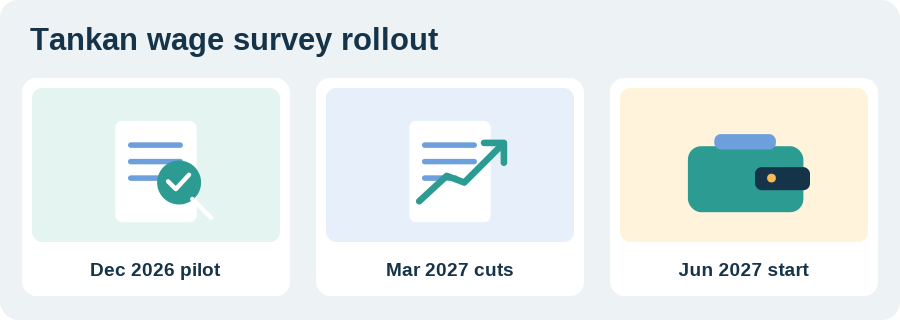
The survey covers pay for scheduled working hours
Under the final proposal the bank released in April, all firms in the nationwide Tankan and its financial institutions survey will be asked for the year-on-year change in scheduled pay per regular employee. The measure excludes overtime pay and bonuses. Companies will calculate it using their regular employees in each fiscal year, so changes in the workforce from hiring or departures can affect the figure.
A pilot in December, then two inventory questions go in March
The bank will run a pilot alongside the December 2026 Tankan with a subset of firms to check procedures for submitting responses. To reduce the burden on respondents, the bank will drop two questions from the March 2027 survey. They ask firms to assess whether their inventories of finished goods and those held in distribution channels are excessive, insufficient or at an appropriate level. The bank will also stop updating those time series.
Wage responses will appear in the summary and detailed data
From June 2027, when a survey includes the wage questions, the bank will include the results in its first-day releases. The detailed results on the second day and the bank’s time-series database will also show how many firms gave valid responses and the share of firms that chose each answer.
