Japan sets out draft criteria for areas at risk of losing home care
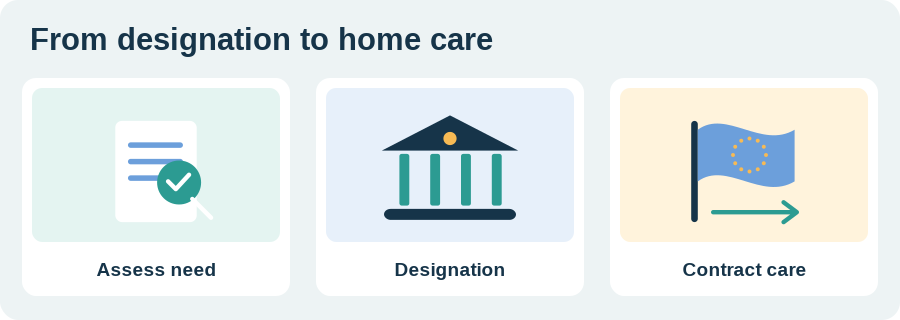
On November 9, Japan’s health ministry presented draft criteria to a long-term care insurance committee for designating areas where care services are hard to sustain, including communities losing population. Municipalities would assess the need for designation, and prefectures would decide which areas to designate based on their input.
Health ministry committee meeting on November 9
Population density and access to providers
The draft starts with areas already eligible for higher care reimbursements in remote locations or special services for islands and similar areas. Elsewhere, a municipality could qualify if it has fewer than 5 residents aged 75 or over per square kilometre, or if its population in that age group is below 1,000 and falling. A part of a municipality could qualify on density alone. Areas that meet none of those criteria could still qualify if existing arrangements cannot sustain care, for example because a required type of provider is absent.
Municipalities could contract with nearby providers
Under a programme proposal presented the same day, municipalities could contract with providers when insurance benefits alone cannot sustain services. The proposal covers home visits, assisted bathing at home, day care and short residential stays. Users would have to live in a designated area and have a care or support needs certification appropriate to the service. A municipality with no local provider could contract with one in a neighbouring municipality for home visits. The documents set out draft criteria and a programme proposal. Designations and start dates would follow local reviews.
