UN meeting discusses cross-border warnings for rising seas and glacier hazards
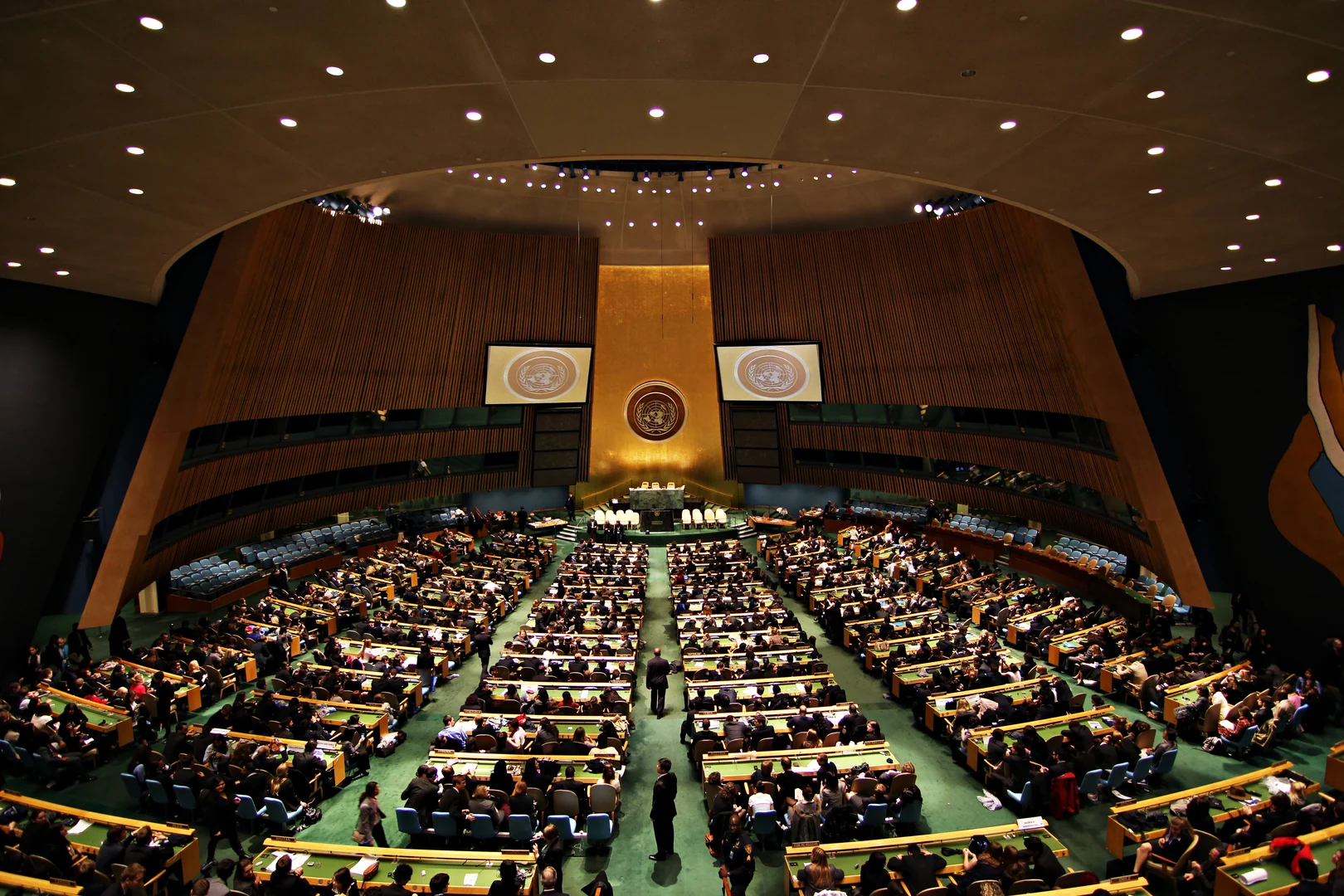
On November 10, Columbia University researcher Marco Tedesco called for early warnings that cross borders ahead of flooding linked to rising seas or glacier collapse. At a UN meeting where he moderated a session, panelists discussed gaps in monitoring and whether recipients of warnings could take action.
UN declaration calls for stronger early warning and monitoring
On September 24, the UN General Assembly adopted its first declaration on sea-level rise. It affirmed that states retain their statehood and maritime zones even if rising seas cause loss of territory. It called for stronger early warning and sea-level observation, among other measures, to protect coastal communities from storm surges and floods. Tedesco described the UN discussion ahead of COP31 in Antalya, Türkiye.
Glacier monitoring and the ability to act on warnings
Laura Paterson of the World Meteorological Organization said that only 37 of about 54,000 glaciers in the Hindu Kush Himalayas had ground-based observation networks. Lok Bahadur Thapa, Nepal’s ambassador to the UN, said existing systems that monitor rainfall and rivers are not designed to detect sudden collapses in mountain areas. Tedesco called for sharing warnings across borders so residents can act in time.
Funding for early warning was also discussed
Jihyea Kim of the Fund for Responding to Loss and Damage said its first funding call, which closed in June, received 176 requests from 119 countries totaling US$2.8 billion. Of those, 77 included early warning or preparedness. Tedesco identified funding for adaptation and loss and damage, cross-border warnings, and greenhouse gas emissions cuts as priorities for COP31.