Orbital Lasers and Stanford to study lasers for slowing spinning space debris
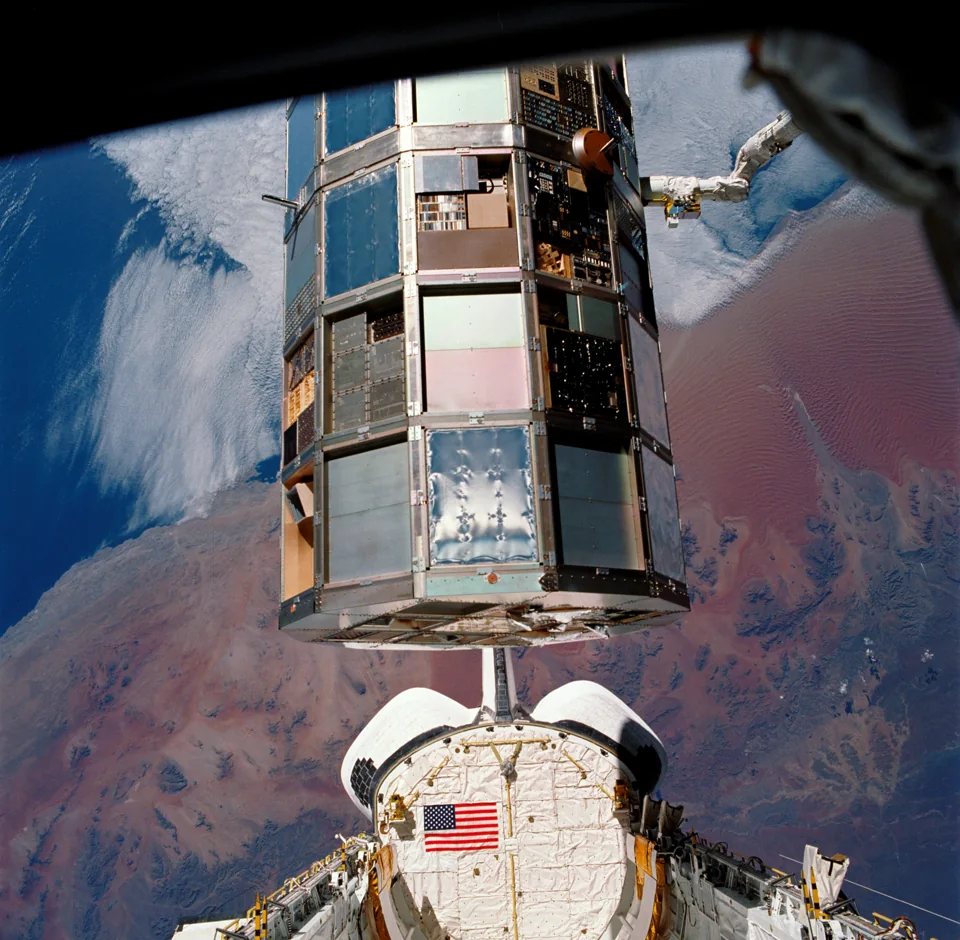
Japan's Orbital Lasers announced on November 10 that it had signed a joint research agreement with Stanford University's Space Rendezvous Laboratory (SLAB). They will study how to slow the rotation of space debris with a laser before attempting capture.

Why slow the spin before capture?
Defunct satellites and other debris cannot be commanded from outside, and some continue to spin. A capture spacecraft must adjust its position and attitude to match the target's motion. Orbital Lasers' proposed method vaporizes part of the target's surface with a laser. The reaction to the ejected material produces torque that can slow the spin without contact. This step is intended to prepare the target for approach and capture.
Comparison with methods without lasers
The collaboration combines Orbital Lasers' technology with SLAB's expertise in autonomous navigation, guidance and control. The researchers plan to compare their approach with conventional methods that do not use lasers and identify when it could improve the safety of approach and capture or mission efficiency. Both parties say the results may inform a future demonstration in orbit. Neither announcement gives a demonstration date or measured performance results.

