Why did ninth-century Northumbria switch to copper-alloy coins?
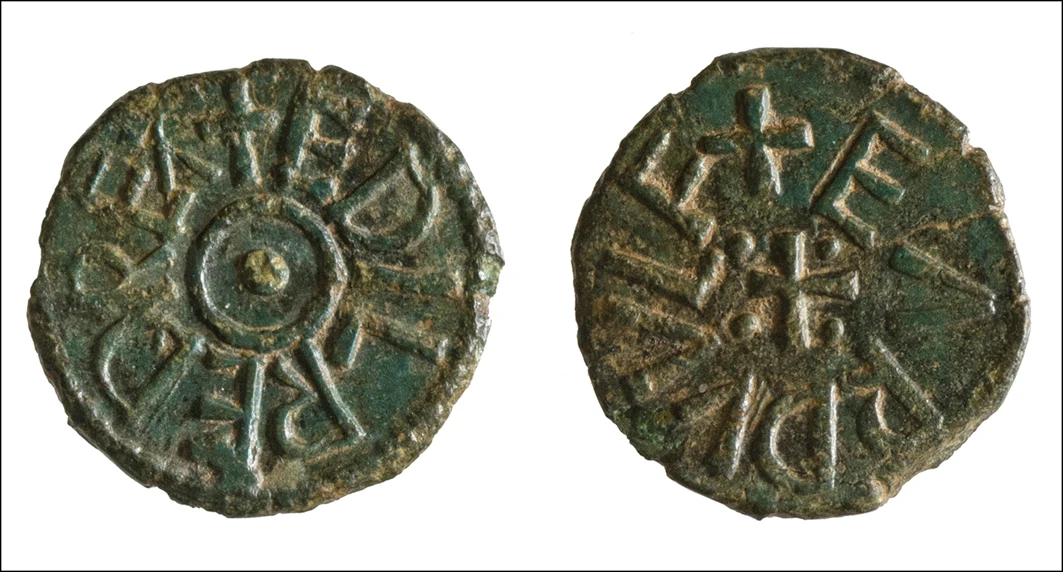
A study of surviving finds suggests a silver shortage was unlikely to have forced the change.

The change in coinage
John Luke Carson’s study, published online in Antiquity on 10 November 2026, examines why ninth-century Northumbria moved from silver-bearing coins to low-value copper-alloy coins known as stycas. The finds suggest silver was still available when the coinage changed.
Counting the finds
Carson compiled finds from published sources and records, with more than half recorded by the Portable Antiquities Scheme. Table 1 lists 27 silver finds classed as certain and seven as likely. Silver-decorated objects were counted separately, and hoards counted as single finds. These counts cannot be used to estimate the total weight of silver in circulation.
Why the coins changed
Carson argues that a shortage was unlikely to have forced the switch. The copper-alloy coins circulated more widely than most previous issues. A desire to profit from issuing the coins or the flexibility of a low-value currency are possible explanations discussed in the paper. The surviving finds do not establish the reason for the decision.