ASUS to help a National Taiwan University Hospital branch track emissions under a sustainability agreement
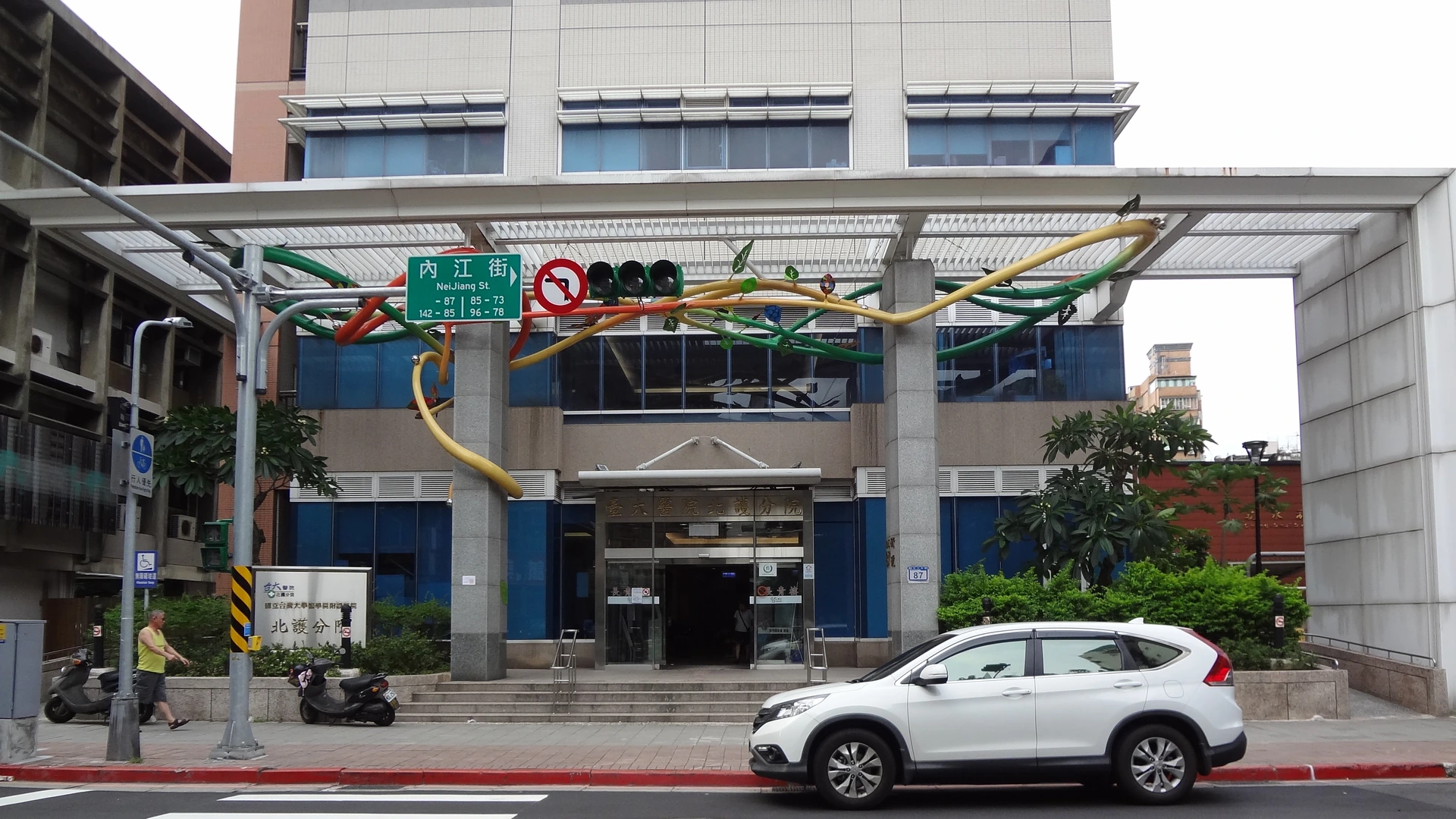
On November 10, ASUS announced that it had signed a memorandum of understanding with the Beihu Branch of National Taiwan University Hospital on sustainable healthcare and digital ESG management. As technical adviser, ASUS will use a carbon data management platform and AI to help the branch set up a system to calculate greenhouse gas emissions associated with healthcare services.
Bringing data together to track healthcare emissions
The collaboration starts with digitizing carbon data management at the Beihu Branch. ASUS says its platform and AI will help consolidate data, make it easier to manage, and build a foundation for evaluating future emissions reduction measures. The company says this is the first time it has served as technical adviser to a healthcare institution on calculating a carbon footprint. It will draw on its experience obtaining third-party certification for the product carbon footprint of a business laptop.
The Beihu Branch aims for net zero by 2050
The branch is working to measure its greenhouse gas emissions and reduce them as part of its goal of reaching net zero by 2050. Branch director Ding-Cheng Chan said he wanted to make data easier to trace and factor emissions reductions into decisions about healthcare services and hospital operations. The announcement gave no figures for emissions already reduced through the collaboration and no specific implementation timetable.