Fukumi Nakazawa plans artwork around an anatomical model for a Kyoto exhibition
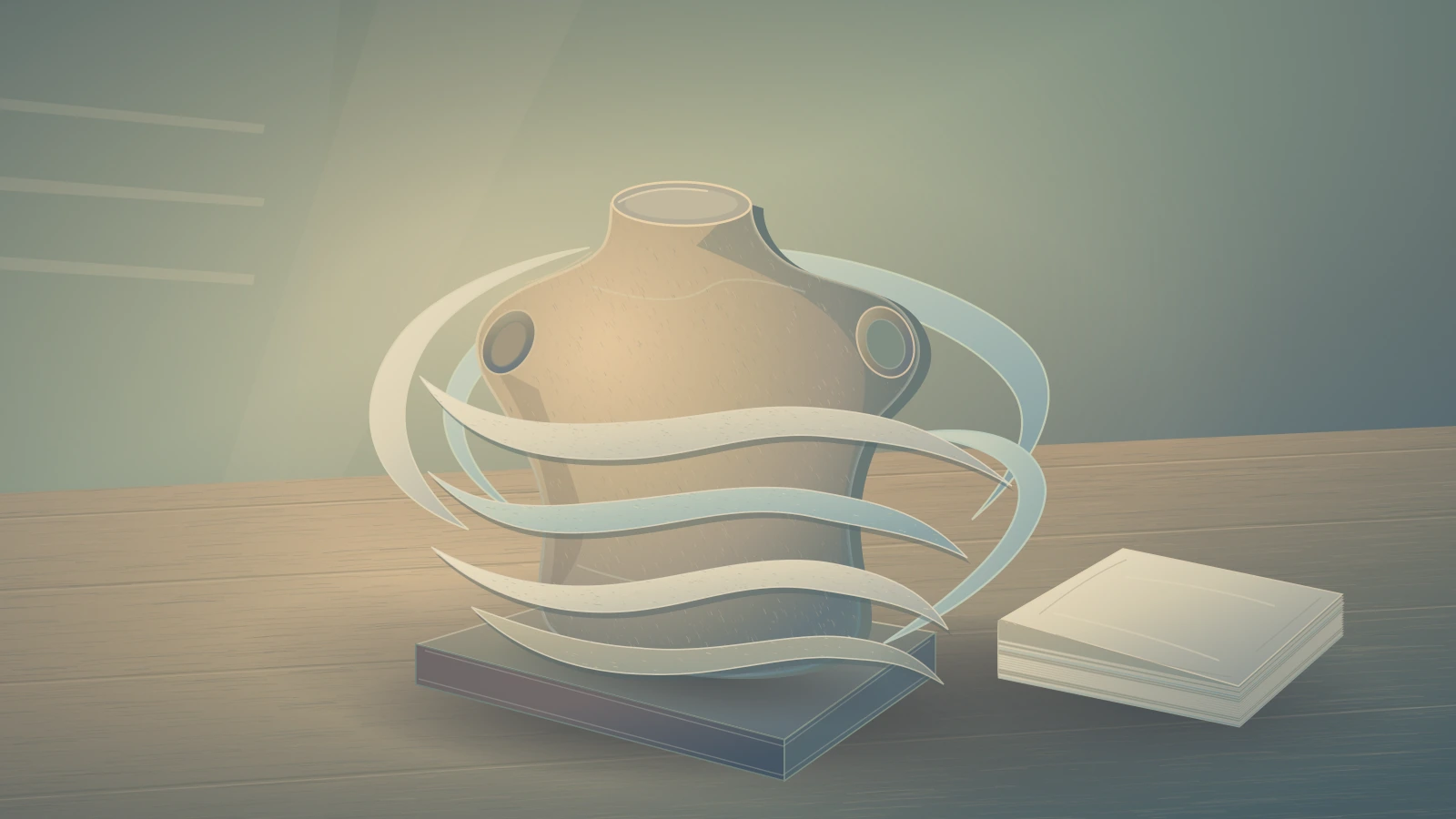
On November 10, Japan’s Agency for Cultural Affairs media arts creator development program published a report on its first meeting about Fukumi Nakazawa’s project “身を模す” (“Imitating the Body”). Nakazawa plans to combine a sculpture made by covering an anatomical model with sketches and an animation drawn by hand on washi paper, among other works, for a May 2027 exhibition at Kōmyō-in in Kyoto.
From a covered model to a hanging scroll and animation
The project grew out of Nakazawa’s collection of anatomical models and her experience touching and moving bodies in care work. She noticed outlines formed by features such as hinges that open and close, which vary with a model’s purpose and maker. She plans to make several sketches from one model and attach them to its surface to create a sculpture called “Drawing for Transformation.” She will draw the sculpture at Kōmyō-in for a hanging scroll. The resulting images will inform a new human figure that she will draw frame by frame on washi for an animation. After photographing the drawings, she plans to paste the sheets into a single mass. She also proposed designing a chair for the figure and making stencil prints of its shape and ways of sitting in it. The works would share a space as an installation.
How to show the stages that conceal the original forms
At the September 29 meeting, Nakazawa said concealing the inside of the model and the stack of drawings could produce forms removed from the originals. Advisers Shohei Takei and Bourbon Kobayashi discussed how to convey the many stages to visitors. Ideas raised included video documentation and audio commentary from a medical perspective. Nakazawa will continue making the work while considering how to display it.