Embrapa to measure Brazilian wheat emissions from farm to industry
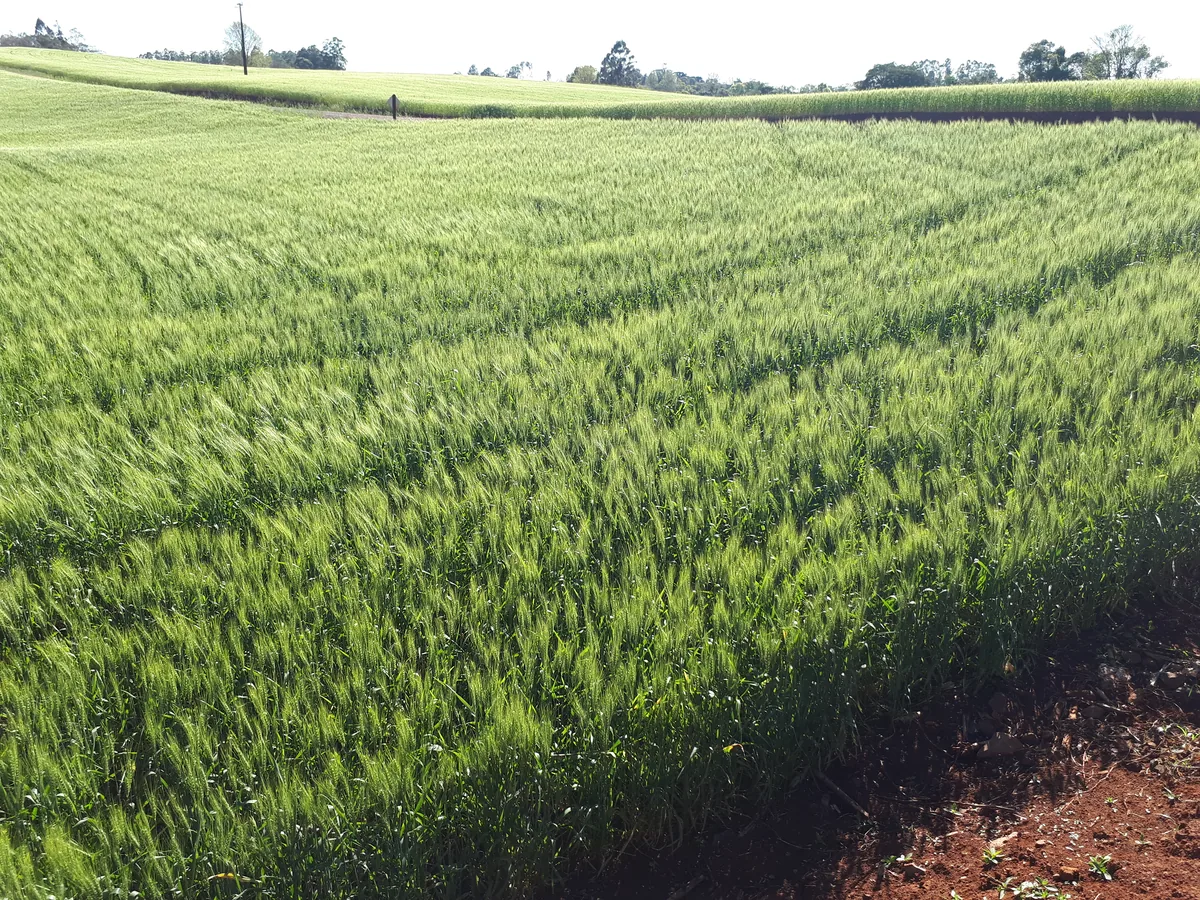
On November 10, Embrapa outlined its Low-Carbon Wheat program, which plans to measure emissions across the wheat supply chain and develop a certification protocol. A launch ceremony is scheduled for November 11 in São Paulo. Work is expected to begin in late 2026 and continue through 2030.
What the research will measure
The research will track wheat from the inputs used on farms to the point where products leave industrial facilities. The team plans to collect soil and gas samples and record farming practices. Researchers will account for differences between the subtropical South and the tropical Cerrado, as well as between irrigated and rainfed fields. The data will help establish regional emissions baselines.
How the data will be used
Embrapa plans to establish 120 technology reference units on farms and at industrial facilities. The team intends to validate an environmental calculator at these units. Producers and technical advisers could then compare a field's performance with its regional baseline. The certification protocol still needs to be developed and validated with Be8, Bunge, Cotrijal and UPL. Embrapa expects to make the results available to the sector in 2030.
