FAA to expand SMART flight planning to all 22 U.S. centers
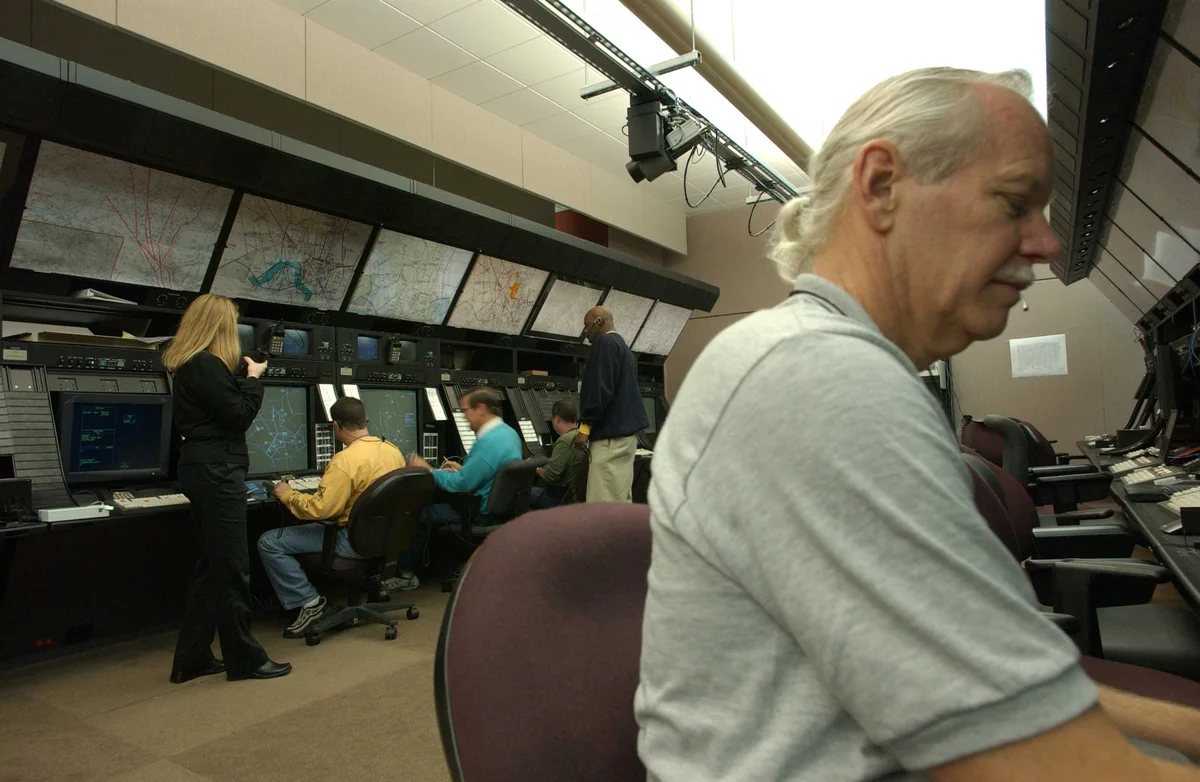
The U.S. Federal Aviation Administration (FAA) announced on November 10 that it will use its SMART flight-planning system in the airspace of all 22 centers nationwide, following an initial rollout in the National Capital Region in September. The announcement gives no start dates for individual centers.

How the FAA uses SMART
The FAA says SMART brings together 200 data streams, including weather, flight routes, traffic flows and controller staffing. FAA specialists review the data in Washington, D.C., and send scheduling recommendations to the agency’s command center in Warrenton, Virginia. The command center forwards them to local air traffic facilities for their leaders to consider. Air traffic controllers remain responsible for keeping aircraft safely separated.
What the early numbers cover
The FAA says that since operations began on September 21, SMART helped reroute 180 flights and saved an average of 10 minutes and nearly 80 U.S. gallons of fuel per flight. Those figures describe the initial rollout. The announcement gives no results for the nationwide expansion.

