IIT Jodhpur alloy gains less mass from oxidation at 1,000°C
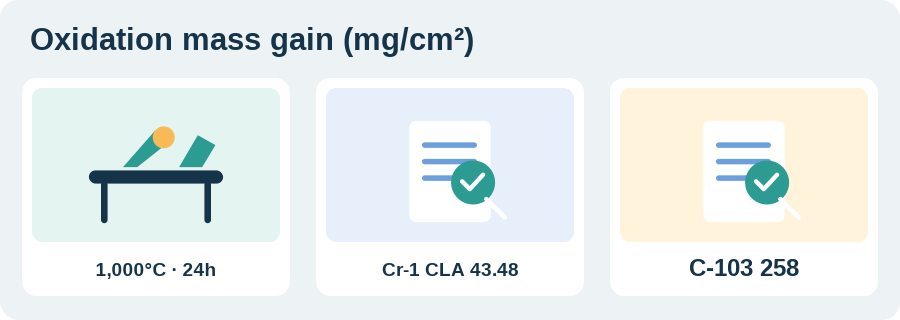
IIT Jodhpur's niobium-based alloy Cr-1 CLA gained 43.48 milligrams per square centimetre in a 24-hour test at 1,000°C. India's Press Information Bureau reported a gain of 258 milligrams per square centimetre for the reference alloy C-103 under the same conditions.
An oxide layer formed at the surface
India's Press Information Bureau (PIB) released the test results on 10 November. In a study published in Materials & Design, researchers reported that a niobium-rich oxide layer containing aluminium and chromium formed on the surface of Cr-1 CLA. The layer impeded oxygen from penetrating the alloy and slowed oxidation.
A separate test at room temperature
In a separate compression test, the alloy's yield strength at room temperature was 1.13 gigapascals. Yield strength measures the stress at which a material begins to deform permanently after the load is removed. The high-temperature oxidation test lasted 24 hours. Tests under actual operating conditions would be needed before the alloy could be used in aircraft or rocket components.
