Goats join wildfire prevention effort in Florida, Chile
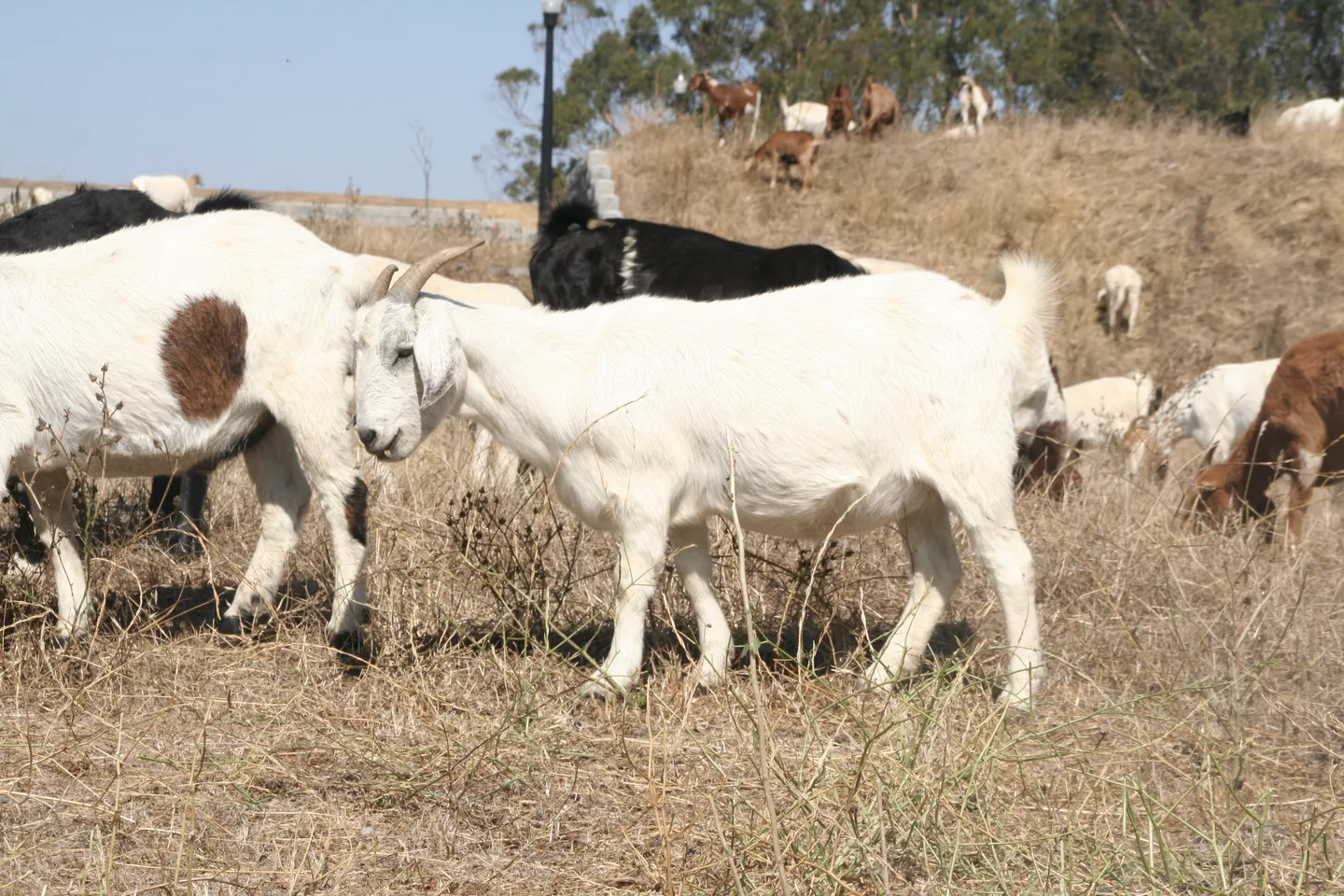
Families in Pantanal, a community in the Chilean municipality of Florida, received goats to reduce vegetation that can fuel wildfires. Chile's Environment Ministry reported on 9 November that the animals were handed over and the practice demonstrated on 6 November.
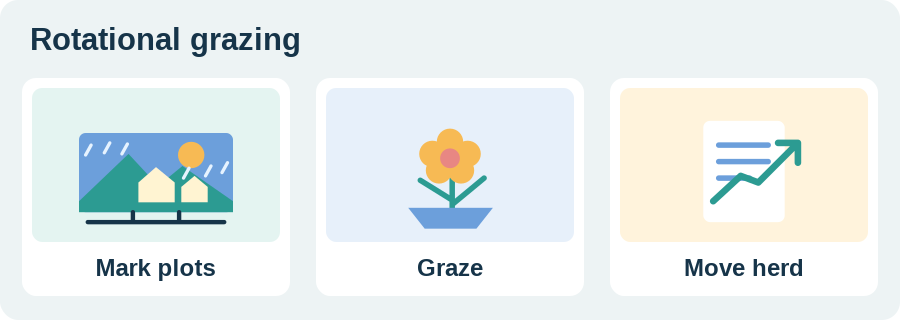
Moving the herd between plots
The families received training before the animals were handed over. The method marks out grazing plots and exclusion zones. Goats feed for controlled periods on vegetation including brambles, dry grass and scrub. When the vegetation reaches a specified height, the herd moves to another plot. The rotation aims to create areas with less combustible vegetation and break up its continuity, potentially slowing a fire's spread.
A local practice reaches Florida
The FAO documented Buena Cabra's experience in the nearby municipality of Santa Juana and workshops to bring the practice to Florida. The handover in Pantanal is part of a landscape restoration project carried out by Chile's Environment Ministry and National Forestry Corporation (CONAF), implemented by the FAO and funded by the Global Environment Facility. The ministry's release does not specify how many goats or families took part or provide measurements of the effect on fires in Florida.
