JR East plans touch-free Suica gates at 40 stations in spring 2028 after 14-station trial
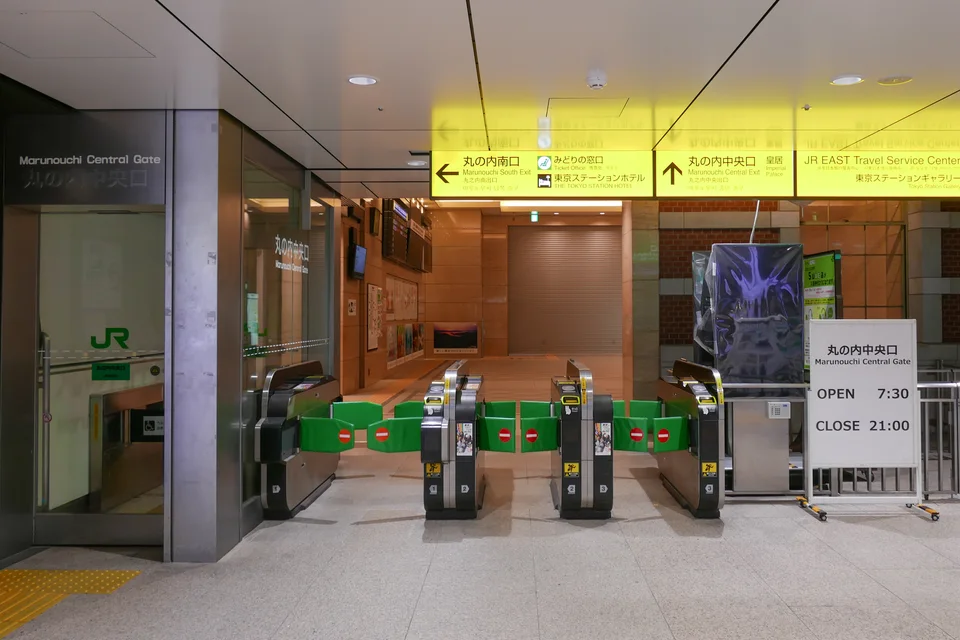
JR East announced on November 10, 2026, that it plans to introduce walk-through gates for Mobile Suica users with compatible smartphones at 40 stations in spring 2028, including every Yamanote Line station and stations serving Narita and Haneda airports. A trial begins on April 10, 2027, initially with about 400 commuters holding passes valid between participating stations.
JR East announcement (Japanese PDF)
Trial starts on routes covered by commuter passes
The trial runs through February 29, 2028, at 14 stations in the Tokyo area, including Tokyo, Shinjuku, Shibuya and Shinagawa. At first, participants with commuter passes valid between trial stations will use the walk-through gates for both entry and exit within the routes covered by their passes. JR East will lend them compatible phones with a dedicated app and test fare-gate accuracy and operation in crowded conditions. Recruitment details will be announced later.
Touch-and-go remains available
The spring 2028 rollout covers every Yamanote Line station, Narita Airport stations, Tokyo Monorail stations at Haneda Airport, and Monorail Hamamatsucho Station. Compatible phones will use ultra-wideband (UWB) wireless technology to detect their proximity to the gates, allowing passengers to pass without taking out their phones. Existing Mobile Suica commuter passes and stored value will continue to work. If a destination station has no walk-through gate, passengers can tap out there as usual. The reverse also applies. JR East will announce details of compatible phones later.
AQUOS R10 selected for the trial
Sharp says it will supply JR East with AQUOS R10 phones running the trial app. JR East aims to extend walk-through gates to all of its stations that currently have ticket gates by the end of fiscal 2031.
