EFSA finds too little data to assess human risk from lupin mould toxins
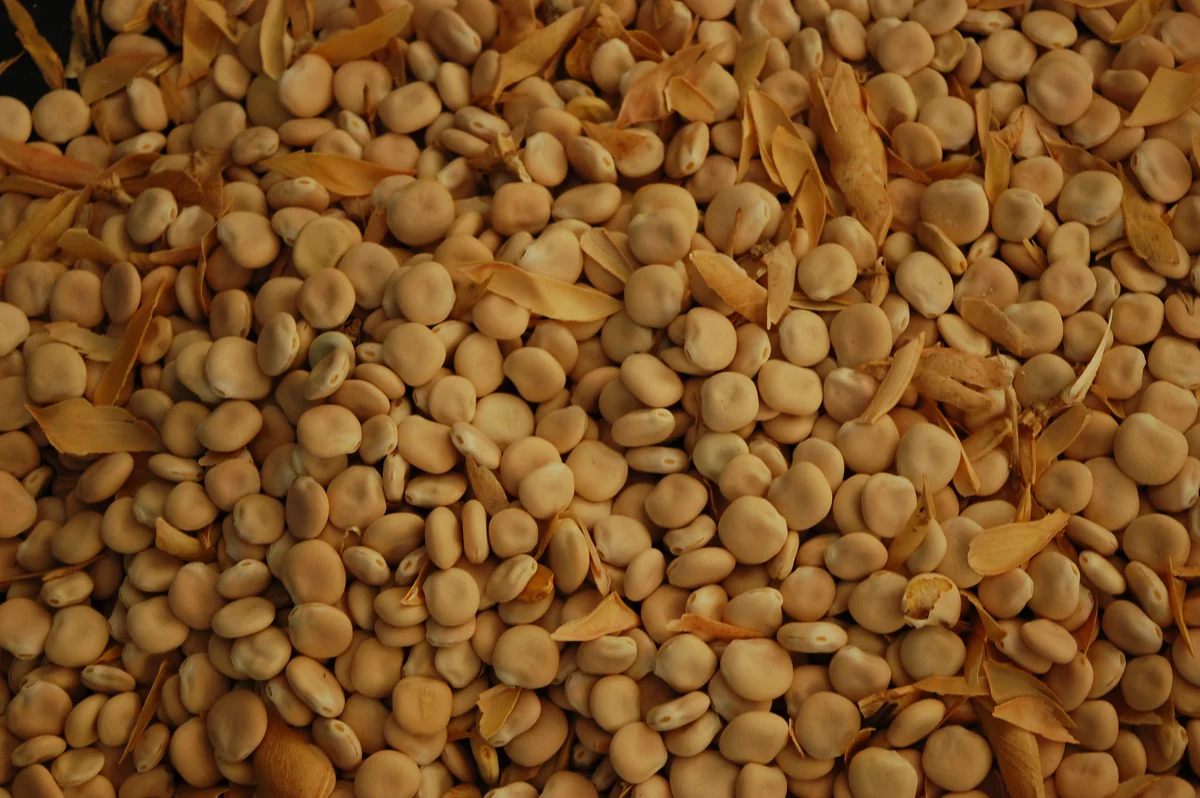
The European Food Safety Authority (EFSA) updated its assessment of phomopsins on 10 November 2026. It could not assess the human health risk. For sheep, the estimated current intake of phomopsin A from feed raised no health concern.
How phomopsins enter the food chain
Phomopsins are toxins produced by moulds, chiefly Diaporthe toxica. Infected lupins are considered the main route into food and feed. The review updates EFSA’s 2012 opinion.
What the food tests showed
The panel examined 5,437 food test results and 104 feed test results for phomopsin A. All 31 results for lupins in the food data set fell below the applicable detection or quantification limits. The panel lacked the data needed to estimate human intake reliably and to assess the risk to human health.
The finding for sheep
The panel estimated intake for several animals using data on sweet lupins in feed. Its conclusion about sheep applies to current estimated intake. For other animals, the evidence on harmful effects was too limited to draw a conclusion.
What EFSA wants to measure next
EFSA called for more measurements in lupins and lupin products and more studies of the effects of repeated exposure.
