Embrapa advises Tocantins rice growers to diversify varieties against blast
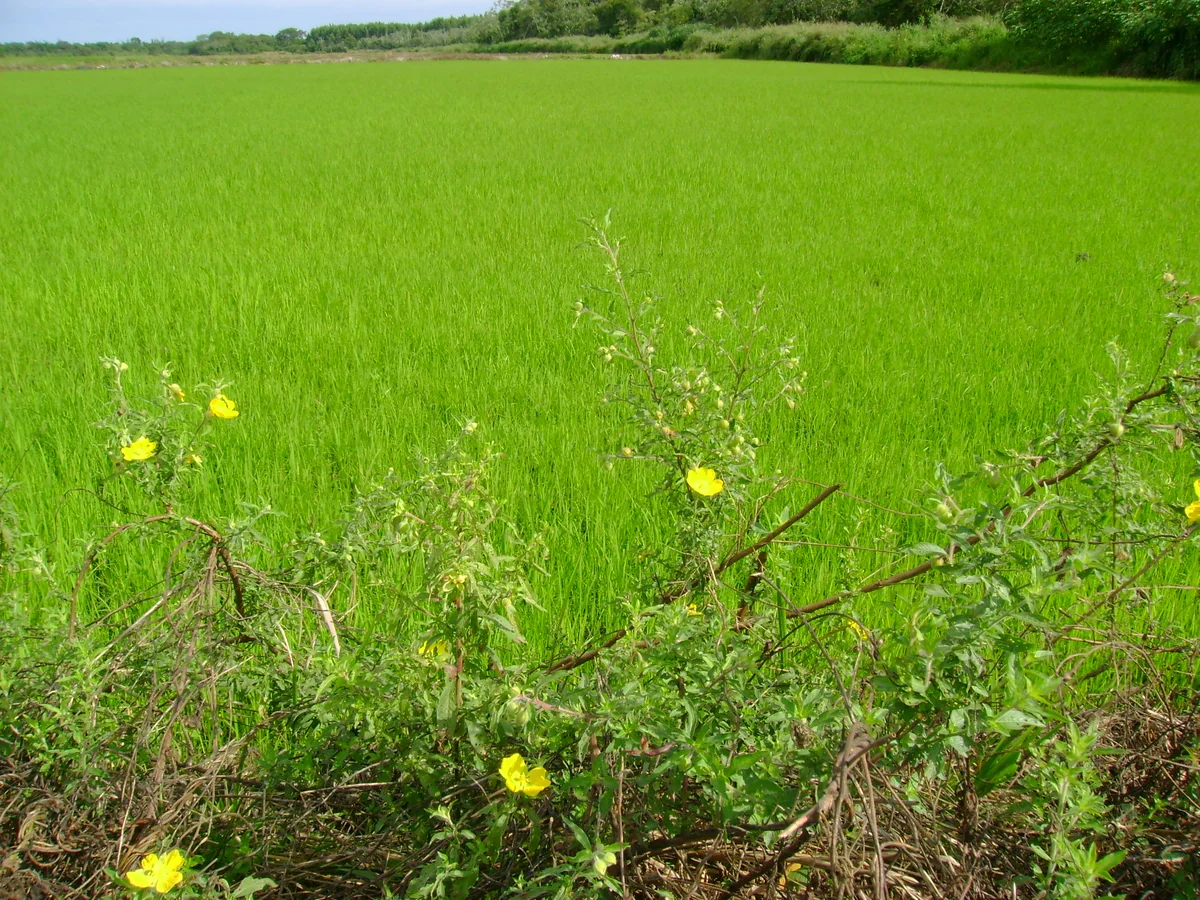
In a release dated November 10, 2026, Embrapa advised irrigated rice growers in Brazil's Tocantins state to distribute different varieties among fields to manage rice blast. Its guidance draws on three crop seasons of local trials and an October 2025 technical circular.
Six varieties tested in two municipalities
Embrapa Rice and Beans evaluated six varieties in Formoso do Araguaia and Lagoa da Confusão over the 2021/22 to 2023/24 crop seasons. One proposed arrangement places BRS Catiana, BRS Pampeira and BRS A704 in separate fields. Strains of the fungus that causes rice blast attack the varieties differently. Diversifying the fields may reduce selection pressure on the pathogen and help preserve varietal resistance for longer.
Varieties also affect harvest timing
The shorter-season BRS A705 is another option. Embrapa puts the interval from emergence to grain maturity at about 110 days. Pairing it with medium-season varieties can spread out the harvest. The variety mosaic is part of integrated management that also includes certified seed and balanced fertilization. The guidance stems from local agronomic performance trials; it does not provide a reduction in blast disease that can be applied to every farm.
