House House details how it used generative AI to develop Big Walk

Australian studio House House says it used large language models (LLMs) late in the development of its co-op game Big Walk to investigate technical issues and fix bugs. The studio estimates that code connected to this use made up well under 0.1% of the game's code.
What the studio used the tools for
In its official FAQ, House House says it mainly used chatbots to investigate problems in third-party code. In some cases it took snippets from chatbot responses as starting points and adapted them into game code. The studio says it used generative AI only for the purposes described in the FAQ. The share it cites is its own estimate, and the FAQ gives no method for calculating it.
One example involved shadows in Unity
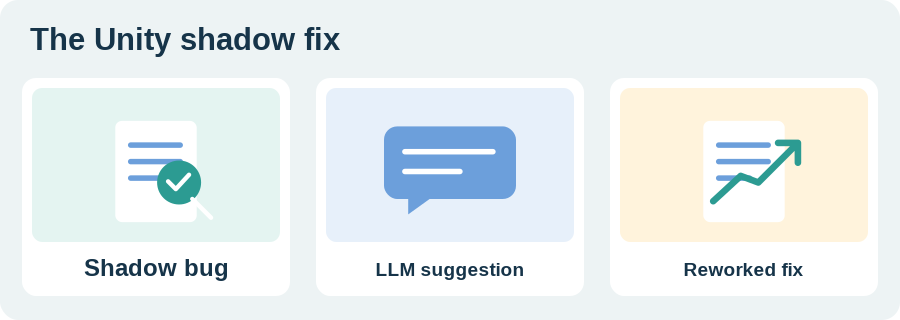
House House describes a bug involving shadows in Unity's Universal Render Pipeline (URP). A chatbot suggested a possible fix. The developers say they substantially reworked the suggestion, and the resulting fix was about 10 lines inside URP. The studio says it originally prepared a version of the disclosure for its Independent Games Festival submission and published it in the FAQ because of public interest. View official Big Walk images

