Shoe sole and two manillas found at Havmanden wreck
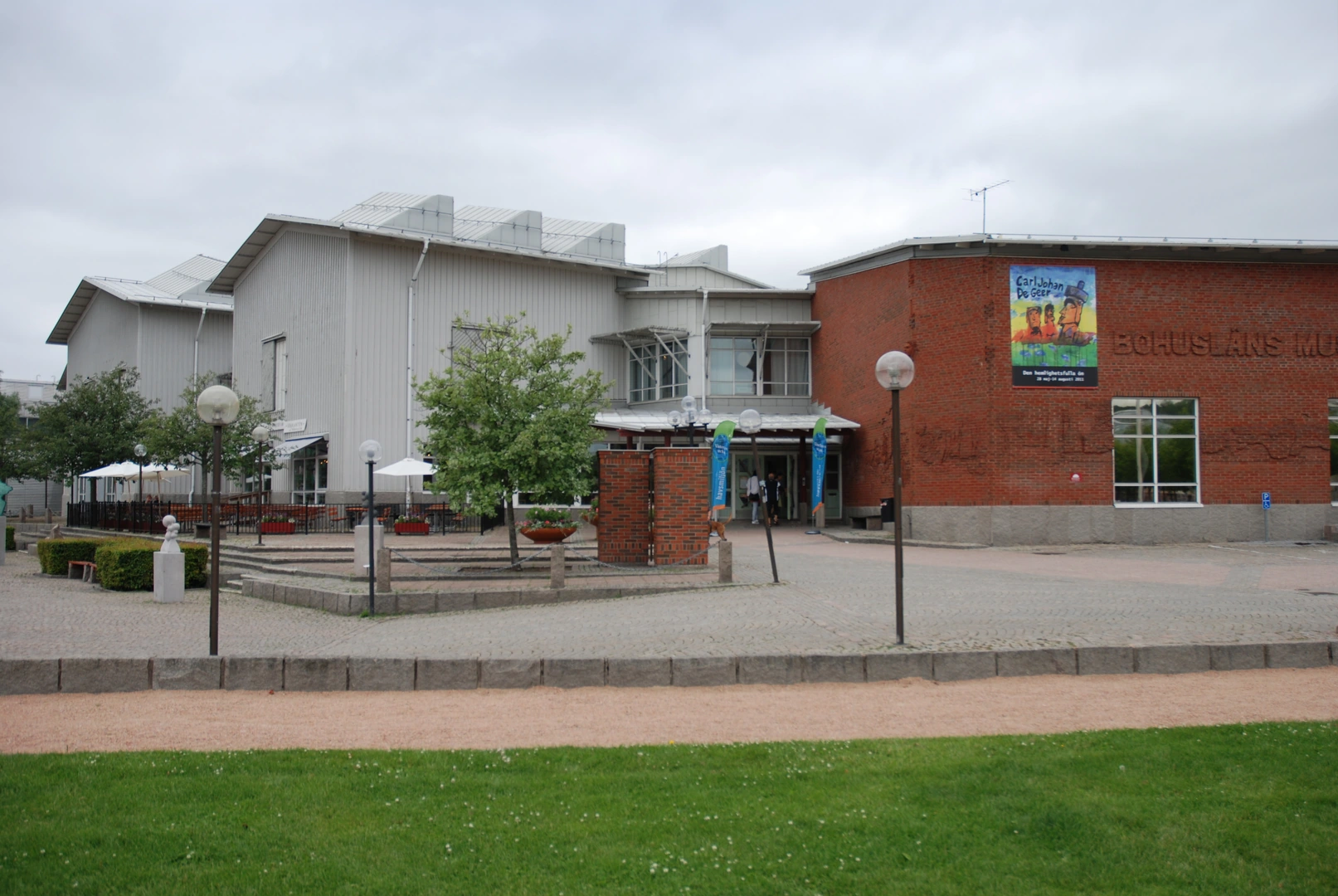
The National Museum of Denmark and Bohusläns Museum found part of a leather shoe sole and two manillas at the wreck of the Danish ship Havmanden, which sank off Gothenburg in 1683 after a mutiny. They announced the finds on November 11, 2026.

Two rings linked to the slave trade
Manillas are ring-shaped copper-alloy objects. European traders used them to buy enslaved people in West Africa. According to Bohusläns Museum, Havmanden was due to sail there after stopping at the Danish colony of St. Thomas. Surviving cargo lists mention barrels of copper rings. Archaeologist Staffan von Arbin considers it likely that these were manillas.
The shoe's owner remains unknown
Only the rear half of a man's shoe sole survives. Shoe historian Vivi Lena Andersen cites fine leather and small, closely spaced holes along the edge as signs of costly craftsmanship. The museums name Jørgen Iversen Dyppel, the first Danish governor of St. Thomas, as a possible owner. He was aboard and was thrown overboard during the mutiny. The find does not establish ownership.