Bones and burials offer clues to life in ancient Nubia, a Middle Nile Valley review finds
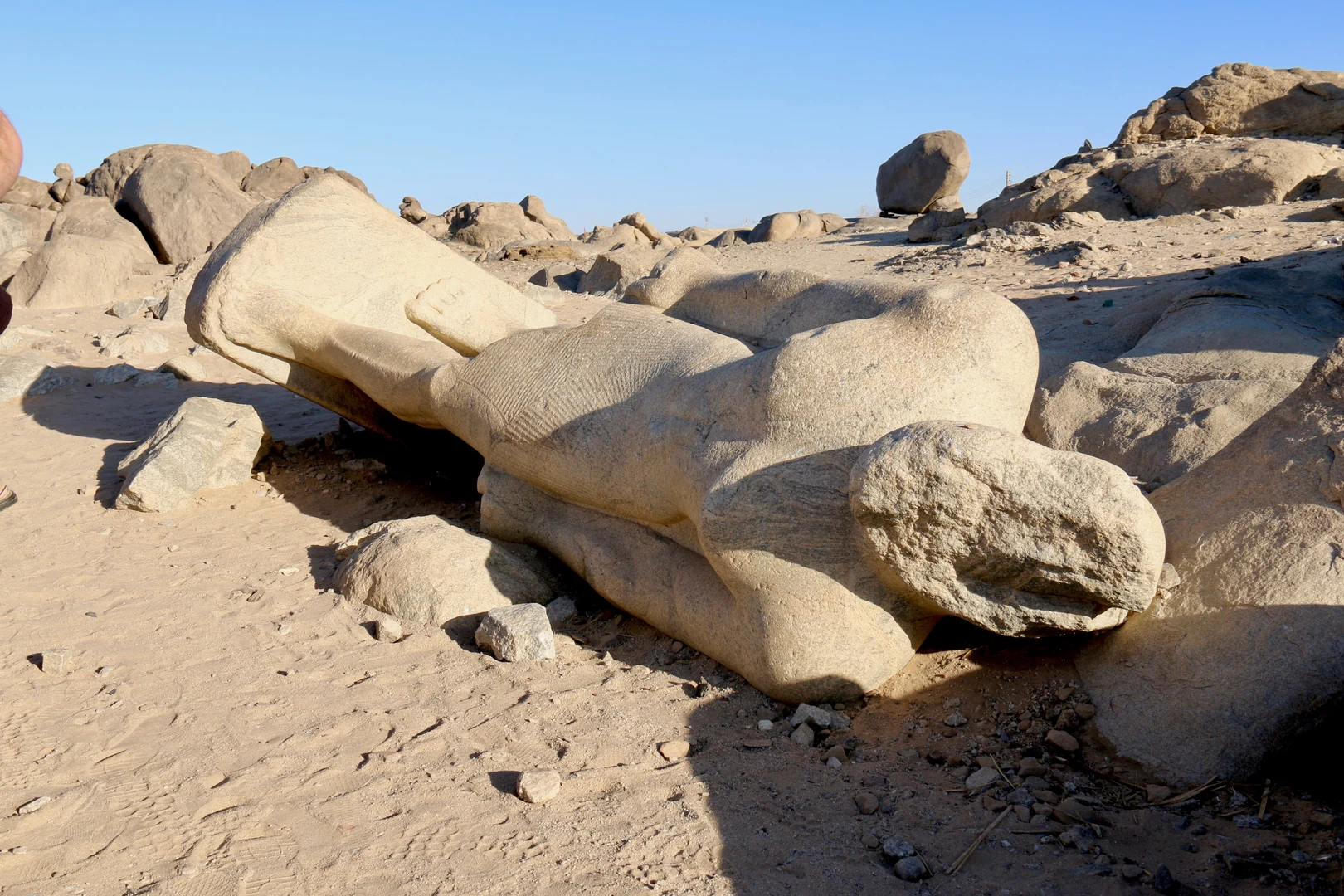
On 11 November, Frontiers in Environmental Archaeology published a review of how traces on the body can shed light on daily life and a sense of belonging in Nubia and the Middle Nile Valley from antiquity through the medieval period. It shows how combining skeletal analysis with burial records, artefacts and landscapes can inform research on health, care and belief.

Reading skeletal features alongside burial practices
Kari A. Guilbault and Michele R. Buzon reviewed research on the Middle Nile Valley, focusing on Nubia and its close relationship with Egypt. At the Tombos cemetery in present-day Sudan, researchers found no evidence that a person with a skeletal growth condition was buried differently from others in the same cemetery. The authors say considering skeletal features alongside burial practices can help researchers examine how bodily differences were understood at the time.
Local practices through and after Egyptian rule
Comparing evidence across periods at Tombos can help trace Egyptian rule and how Nubian communities responded after it. The review cites earlier research finding that Nubian burial customs persisted as daily life and interactions changed. The authors say combining skeletal data with evidence such as adornments and places used for rituals can show more aspects of the relationship between people and their societies.