Gongju excavation reveals layout of Baekje palace site
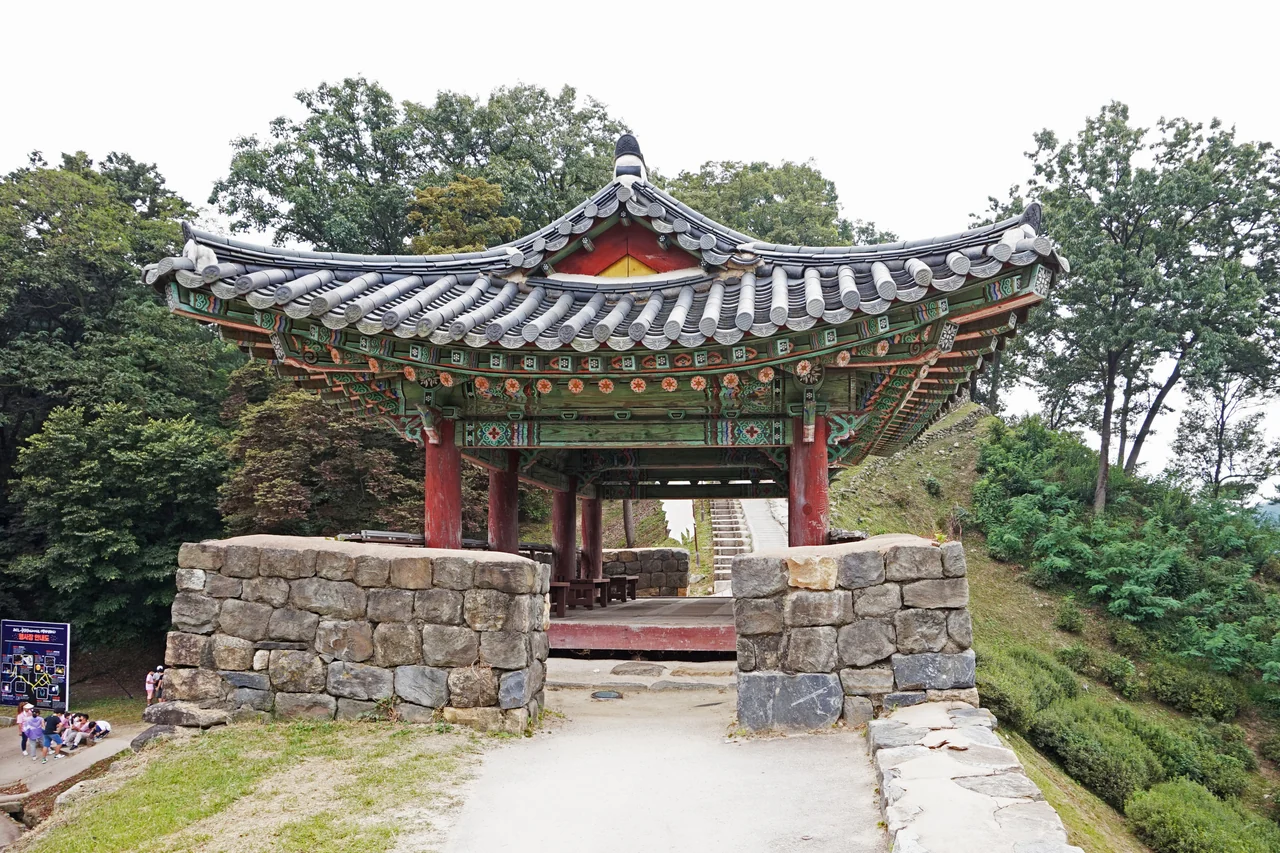
South Korea’s Korea Heritage Service presented findings from the Baekje palace site at Gongsanseong Fortress in Gongju on November 11. A large building, long corridor structures and a palace entrance with flanking towers help researchers trace how the palace grounds were arranged.
Palace layout around Ssangsujeong
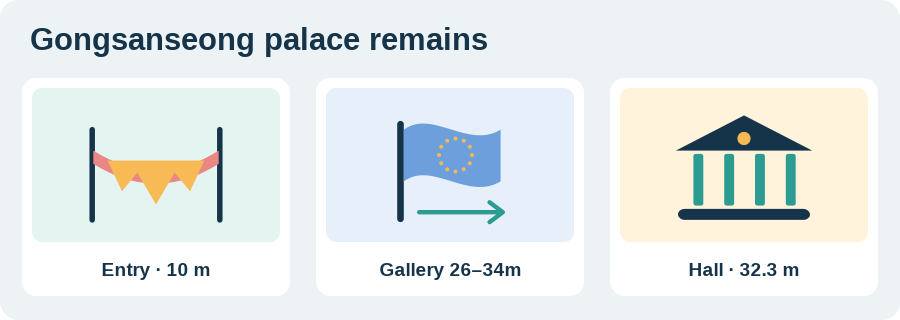
Baekje ruled from Ungjin, present-day Gongju, from 475 to 538. According to the Korea Heritage Service, excavations around Ssangsujeong in 1985–86 uncovered numerous decorative roof-tile ends. Later investigations identified the remains of a large building, corridor-style structures, walls and a pond. The south-facing main building measures 32.3 metres east to west and 14.6 metres across. The corridor structures are approximately 26–34 metres long. The agency says their layout divided the palace grounds by function and rank.
Entrance identified in 2019
Excavators identified the palace entrance, known as a mungwol, in 2019. It has a 10-metre-wide road with large tower structures arranged symmetrically on either side. The Korea Heritage Service describes the entrance as key evidence for locating the palace within the Baekje royal fortress of Ungjinseong. The agency, South Chungcheong Province, Gongju city and Kongju National University scheduled a presentation of the findings and a site briefing for November 11. The announced programme included reconstructions of lacquered armour and horse armour based on objects excavated at Gongsanseong in 2011.
