AMD executive proposes measuring the value per token of enterprise AI

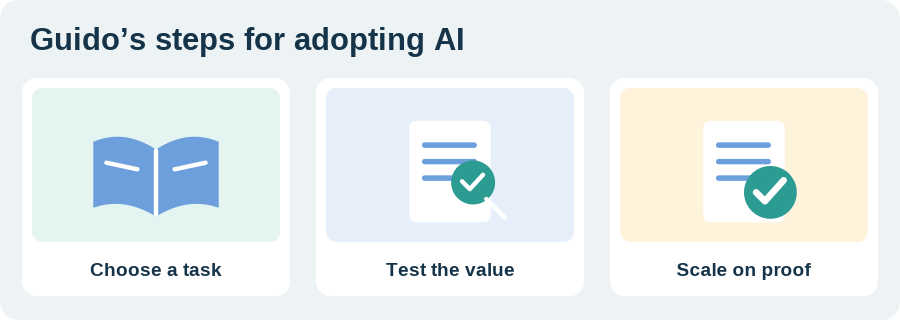
On November 11, AMD published an article by Chief Commercial Officer Philip Guido on how companies adopt AI. He argued that as workloads expand and costs rise, companies should choose models and computing environments suited to each task and test whether the benefits justify the expense before deploying them broadly.
Choose where and how to run each workload
Drawing on discussions at the Agentic AI Exchange in New York, Guido said enterprise AI consumes more tokens as it processes more information and takes on more tasks, affecting computing costs. He suggested using smaller or specialized models where appropriate, whether in the cloud or on a company’s own infrastructure. He said businesses should weigh performance, cost and security together.
Test costs and outcomes on a small scale
Guido proposed choosing which work to improve and where people should review the results, then running a proof of concept and estimating the total cost of ownership before deciding whether to expand. The article presents the view of an executive at a company that sells chips and related products to businesses.
AT&T example cites potential savings of up to 80%
Guido pointed to telecom company AT&T, which processed more than a trillion tokens on AMD GPUs in Microsoft Azure while developing a telecom model. According to AMD’s July announcement, AT&T chose about 400 billion of those tokens for further training. Guido said AT&T’s system for routing tasks to different models cut AI costs by up to 80%. AMD did not specify the baseline or the measurement period.