Toyota targets 2028 for L2++ driver assistance in select models and outlines factory automation plans
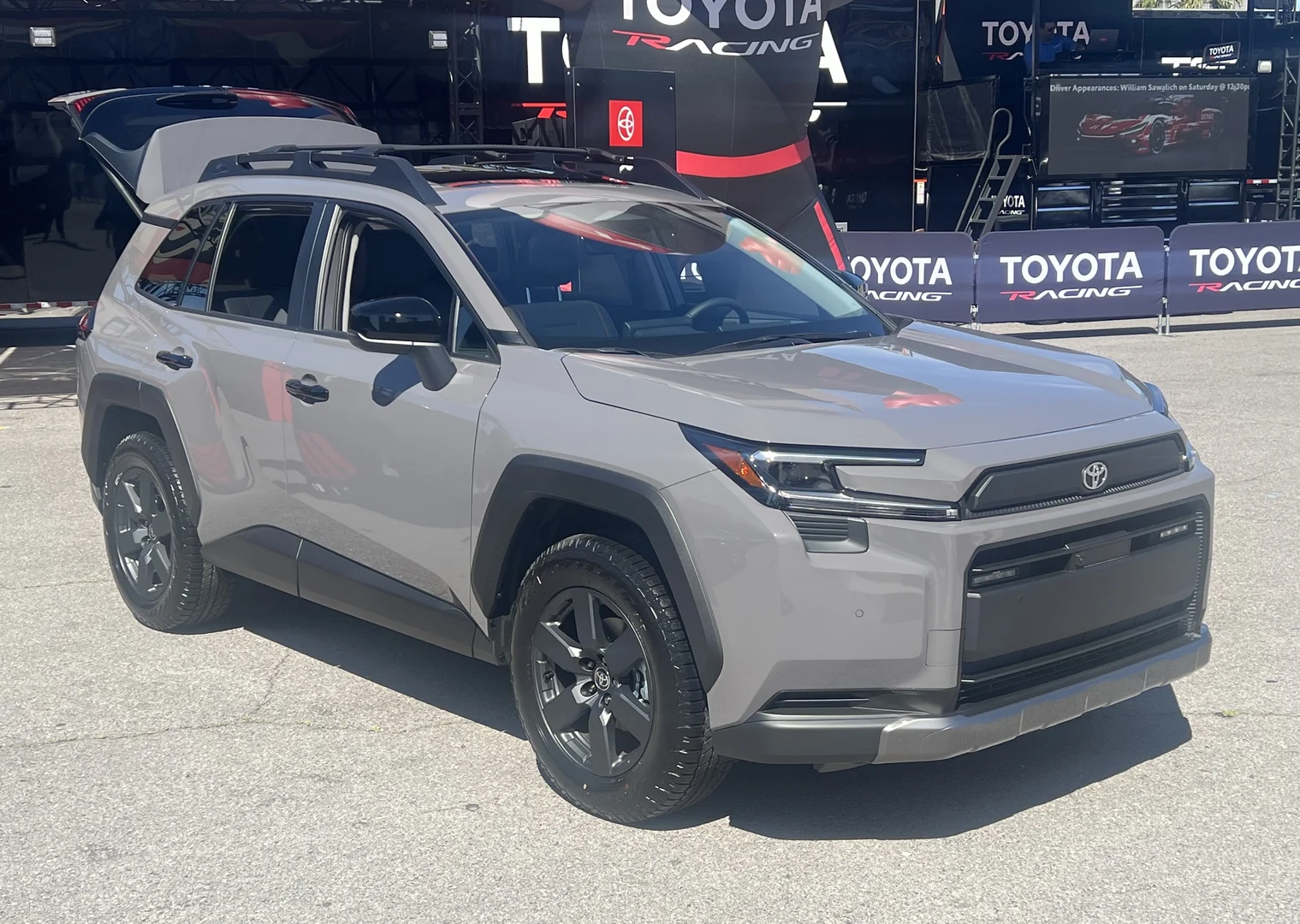
On 11 November, Toyota showcased technologies in development at its North American research and development centre in Saline, Michigan. It aims to introduce driver assistance it calls L2++ in select retail vehicles starting in 2028. It also outlined plans to expand its vehicle software platform and expectations for deploying robots as factories renew equipment.
Developing driver assistance with real-world driving data
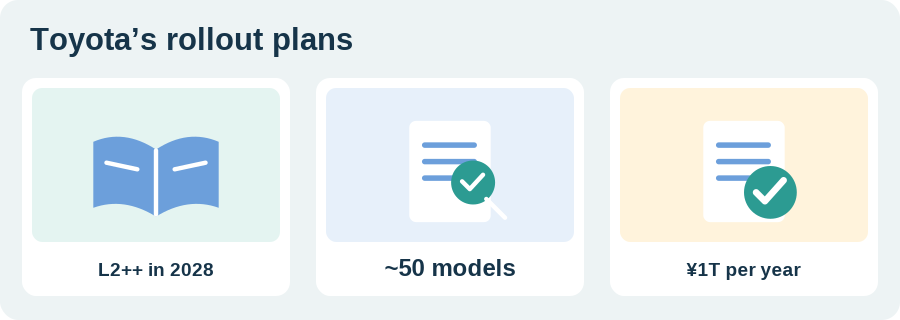
Toyota is developing driver assistance using real-world driving data, insights from experienced drivers and in-house AI, with safeguards. It aims to introduce the technology in select retail vehicles starting in 2028 and plans to roll it out to a broader range of models worldwide within several years. Toyota also plans to expand its Arene vehicle software platform from the Toyota RAV4 and Lexus ES to about 50 models and 10 million vehicles worldwide by 2030.
About ¥1 trillion a year for equipment renewal, with plans to deploy robots
According to Toyota, it and its suppliers expect to invest about ¥1 trillion annually from 2028 to replace ageing production equipment. Toyota expects the investment to support the deployment of about 150,000 robots across Toyota and its group companies, and about 250,000 at suppliers. The company described a progression from automating predefined tasks to coordinating production and logistics, and ultimately to having people and robots work side by side.