Gadjah Mada University seminar examines Indonesia’s higher education expansion and employment
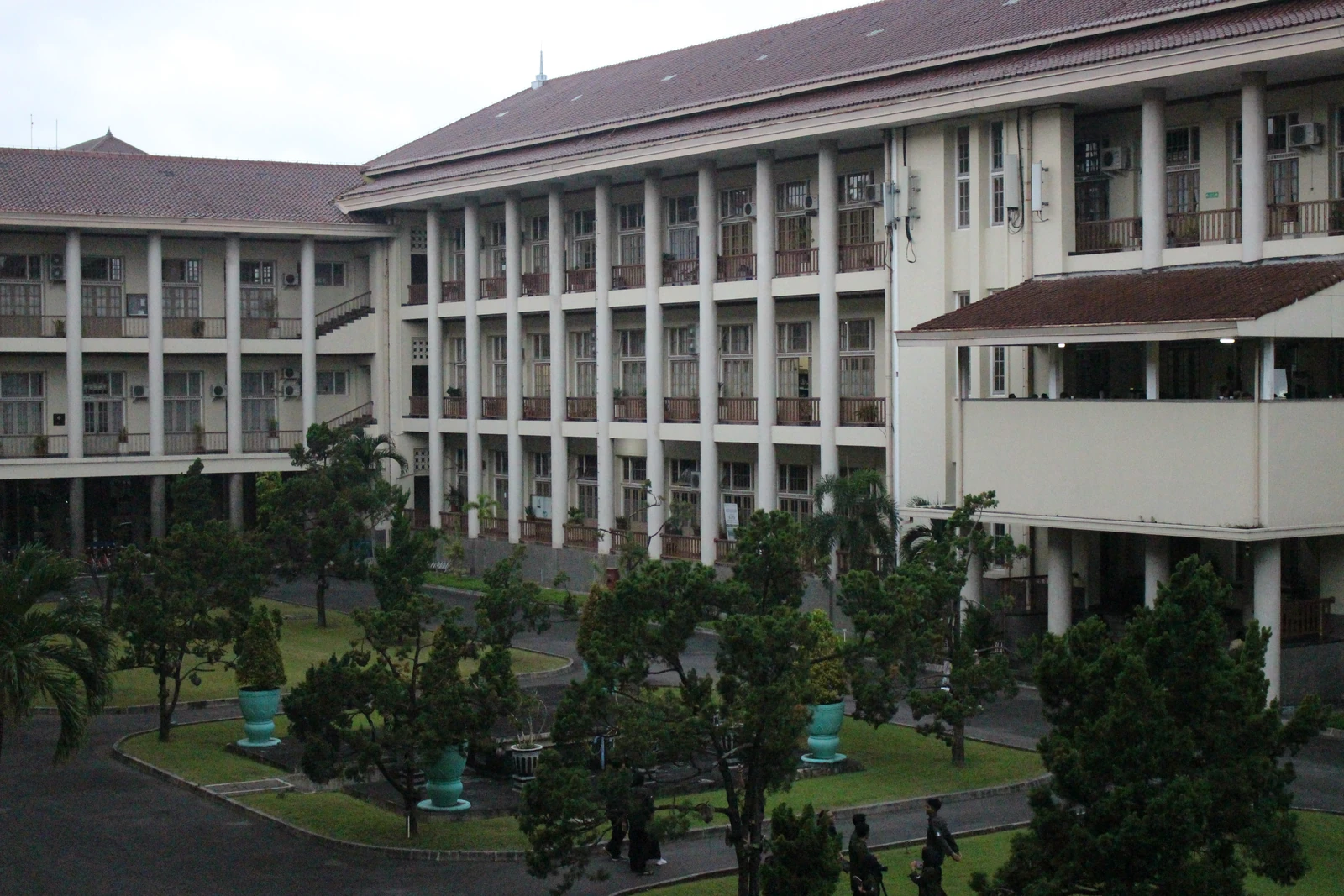
The Faculty of Economics and Business at Indonesia’s Universitas Gadjah Mada held a seminar on higher education expansion and the labor market on November 11. Sarah Dong of the Australian National University presented joint research that identified the growth in higher education institutions and improvements in household living standards as the main factors behind rising participation.
More than 3,000 institutions added
Dong conducted the study with Tan Jenar and Javier Prisadi of Indonesia’s Ministry of Finance. According to the university’s account, Indonesia added more than 3,000 higher education institutions from 1995 to 2020, and real household expenditure per person doubled from 2007 to 2019. The researchers found that rising living standards and the increase in institutions explained more of the expansion than changes in the wage premium for higher education graduates.
Employment estimates differed for men and women
According to the university, the researchers associated the opening of new higher education institutions from 1995 to 2015 with an employment probability about 4 percentage points lower for men and about 5 points higher for women. The university’s account gives no details of the estimation method. Dong identified the effects of changes in industry structure and technology on the skills employers seek from graduates as a topic for further research.