How Dominican missionaries translated Christian concepts into Zapotec
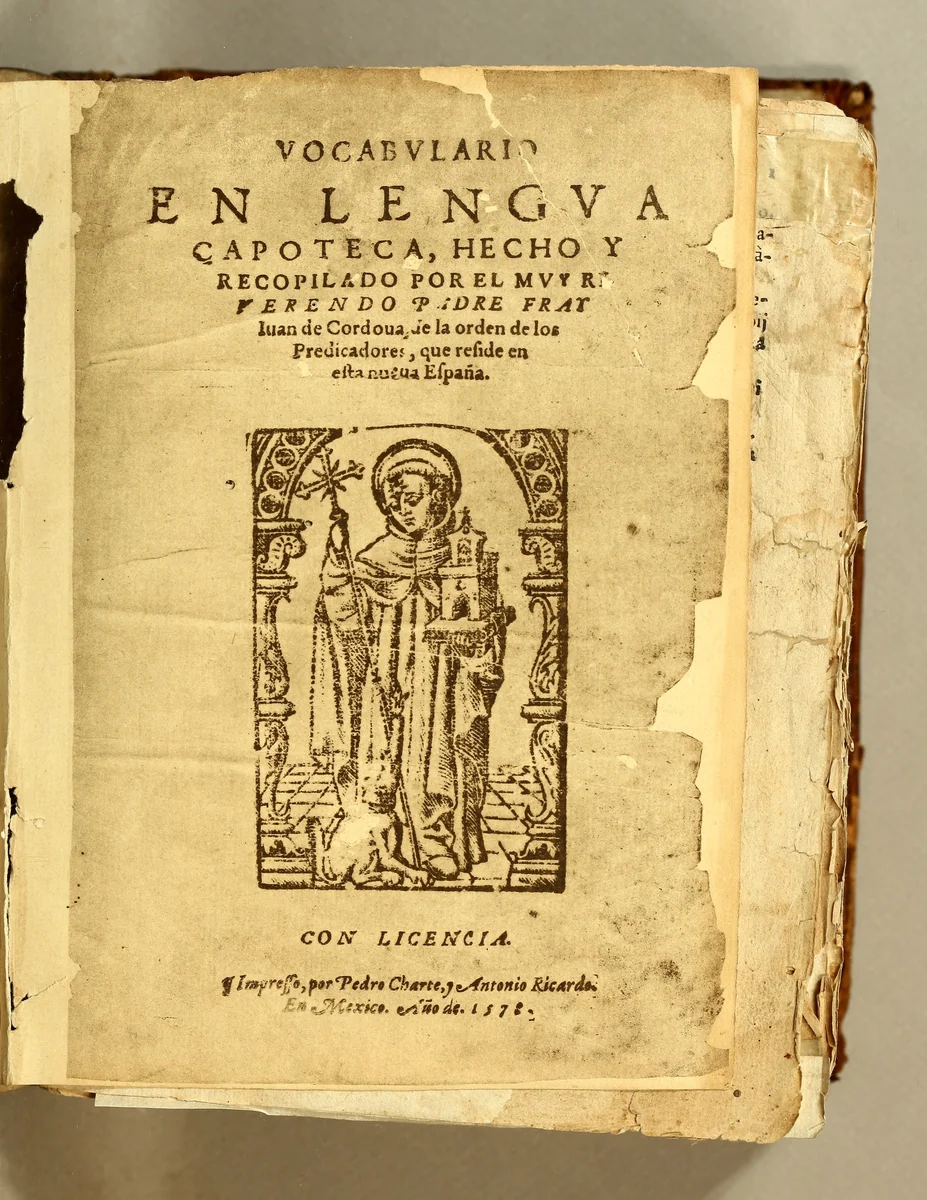
Mexico’s National Institute of Anthropology and History reported on 11 November 2026 that archaeologist Alan Gutiérrez Flores had examined the translation of Christian concepts in Juan de Córdova’s 1578 Zapotec vocabulary. His analysis focused on the language of Zapotec communities in Oaxaca.
Different approaches to “God” and “sin”
At the Fourth Semana Novohispana, Gutiérrez Flores of the National School of Anthropology and History presented examples from Córdova’s Zapotec vocabulary. According to his analysis, Córdova used the borrowed word Dius for the Christian concept of God. For “sin”, he assigned a new meaning to tola or tolla, words the researcher associated with a wrong or disruption of social balance. Gutiérrez Flores also emphasized that Zapotec communities reinterpreted concepts introduced by the missionaries.
A 1578 vocabulary examined in 2026
The National Autonomous University of Mexico provides a searchable edition of the vocabulary, while the John Carter Brown Library holds a copy of the 1578 edition available online. Semana Novohispana marks 500 years since the Dominican order arrived in Mexico. According to the programme reported by the institute, events in Mexico City run through 14 November, with further activities in Oaxaca on 19 and 20 November.
