IEA estimates how much cutting waste could reduce emissions by 2035
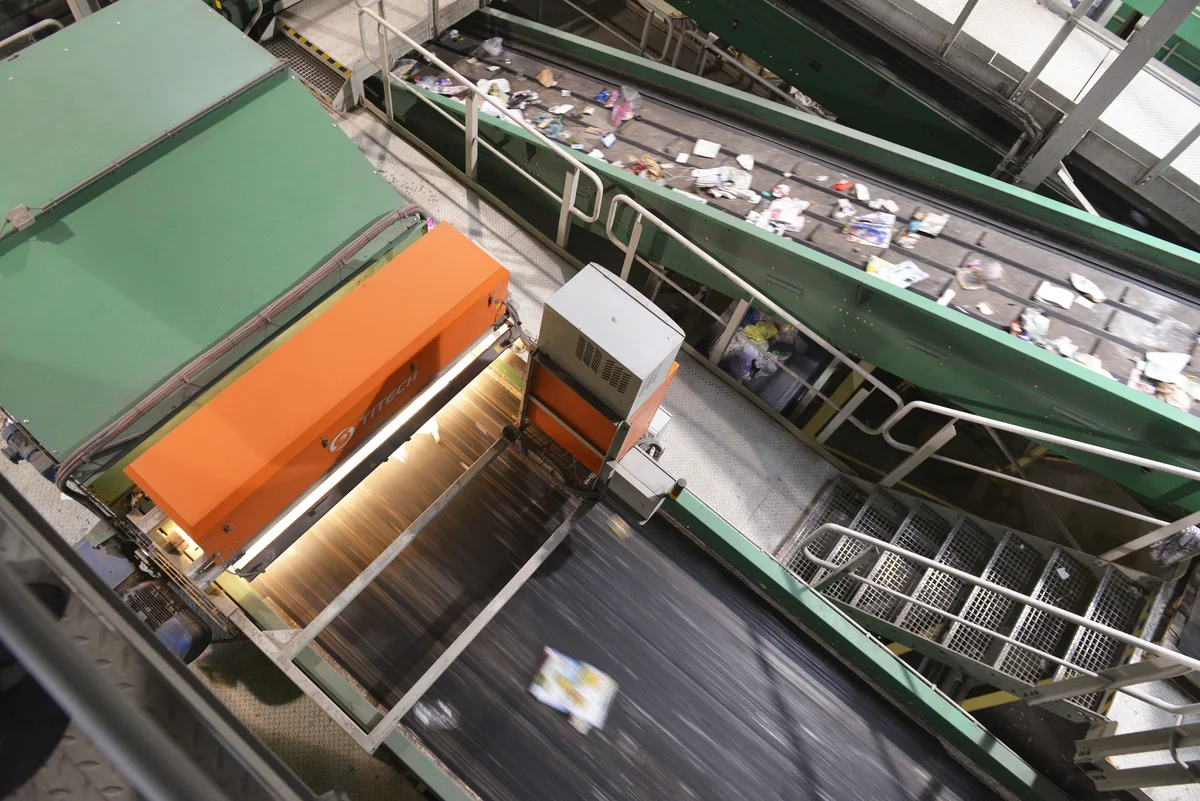
An International Energy Agency report estimates that preventing waste, recycling more materials and recovering energy from organic residues could together cut annual global emissions by more than 1.5 billion tonnes of CO₂ equivalent by 2035.
About 2.6 billion tonnes a year
The International Energy Agency (IEA) published the report on November 11, 2026, at the request of Türkiye’s COP31 presidency. The agency puts annual municipal solid waste generation worldwide at around 2.6 billion tonnes. It estimates that waste disposal, treatment and incineration account for about 4% of global greenhouse gas emissions.
From prevention to energy recovery
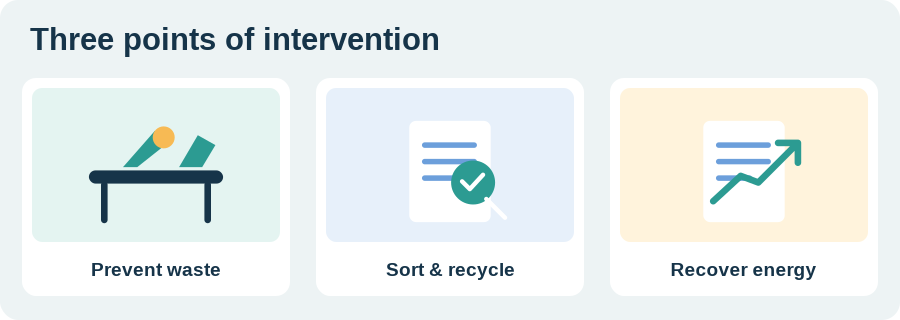
The report examines three ways to reduce emissions. Designing products to last longer and use fewer materials can prevent waste and avoid some emissions from production. Better collection and sorting can recover materials for recycling and reduce demand for virgin materials. Organic waste that is difficult to recycle can be used to produce biogas, which can avoid some methane emissions from disposal.
How to read the 2035 estimate
The 2035 figure describes the potential annual global reduction if a package of measures is implemented. Which measures come first depends on local conditions, including existing collection and treatment systems and access to finance. The IEA report page shows the official cover photo.
Primary sources
- IEA · Synergies between waste reduction, resource efficiency and energy systems decarbonisation
- IEA · Executive summary
- IEA · Press release
- Piotr Bieniecki · Automatic waste treatment plant (Wikimedia Commons)
- Piotr Bieniecki · fototeo.pl
- Automatic waste treatment plant.jpg (Wikimedia Commons)
- CC BY-SA 4.0

