Embrapa shows how Brazilian food banks recover surplus crops
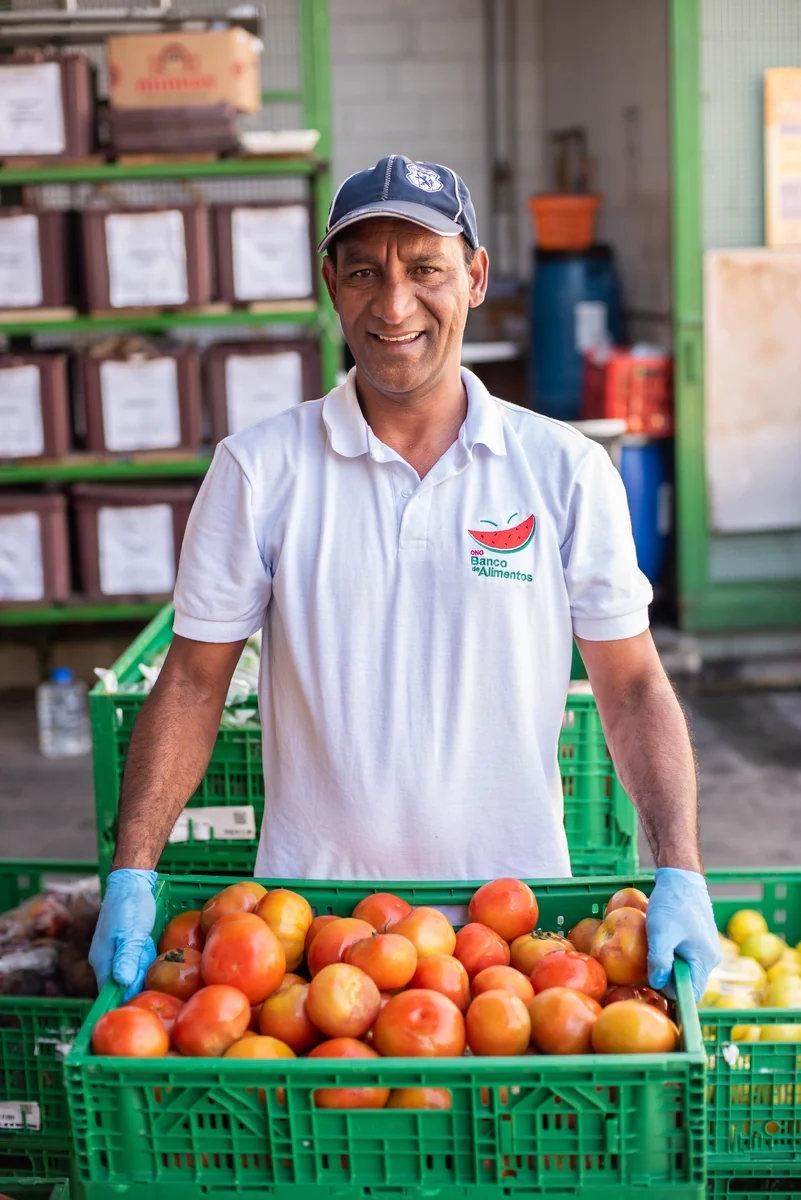
At a global food banking summit in Toronto, Brazil’s Embrapa presented two examples of collecting food at farms. It said rural collection supplied 70% of food redistributed by a Montes Claros food bank in 2025.
From farms to food banks
In an 11 November announcement, Brazil’s agricultural research agency Embrapa said it had presented Brazilian rural harvesting initiatives at the Global FoodBanking Network (GFN) summit in Toronto, Canada. At a panel coordinated by Harvard’s Food Law and Policy Clinic, Embrapa analyst Gustavo Porpino explained how food banks collect surplus produce at farms and pass it on for distribution.
Two Brazilian examples
Embrapa said the Sesc food bank in Montes Claros, Minas Gerais, redistributed 3,490 tonnes of food in 2025. Rural harvesting supplied 70% of that amount. In Nova Friburgo, Rio de Janeiro state, the Mesa no Campo project collects produce from family farms that would otherwise go to waste, including vegetables fit to eat but outside commercial standards. Embrapa said the project recovered more than 1,000 tonnes in 2025.
The wider network
GFN reported that its members sourced almost 228,000 tonnes of food from the agricultural sector in 2025, up 55% from the previous year. Embrapa sees these local efforts as input for planning a national rural harvesting programme in Brazil.
