South Korea proposes treasure status for Jangyuksa's main Buddha hall
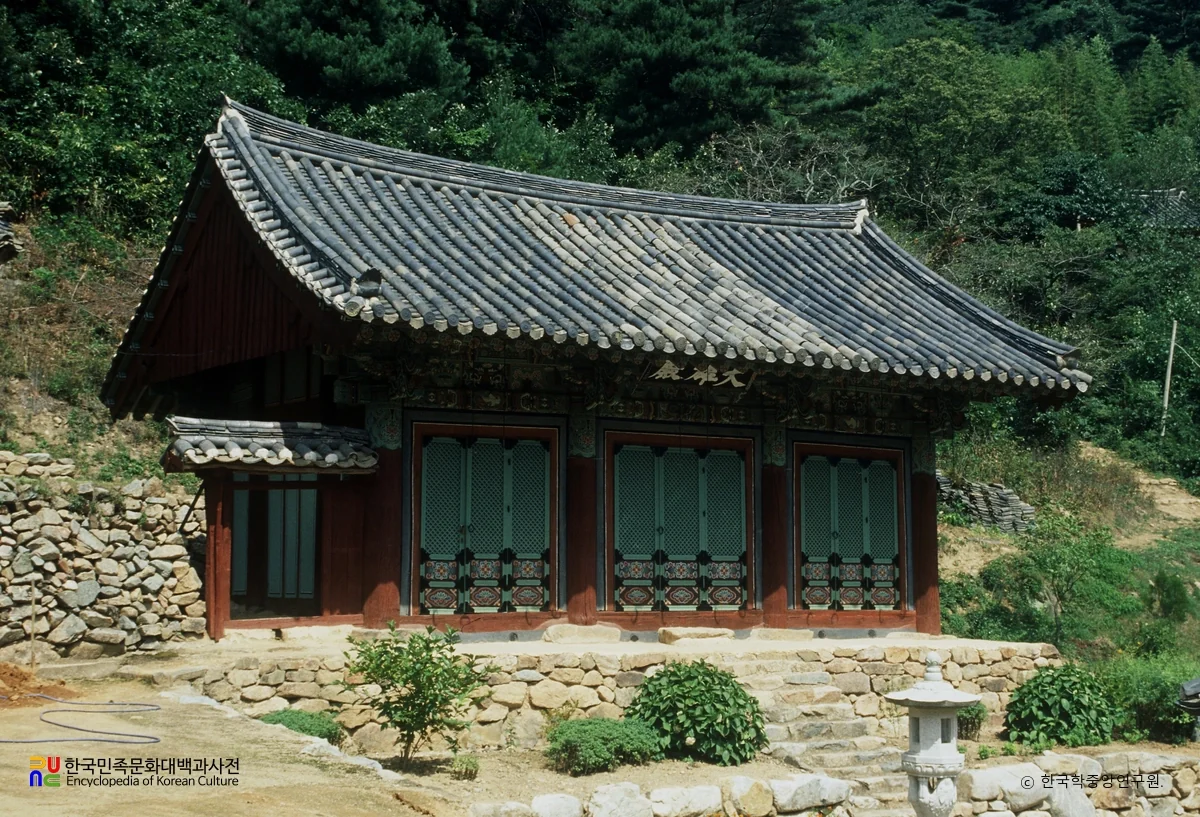
South Korea's Korea Heritage Service announced on 11 November a proposal to designate the main Buddha hall of Jangyuksa temple in Yeongdeok County as a nationally protected Treasure. Written records and timber analysis point to a late 17th-century building whose interior acquired decoration over the following century.
Records and timber indicate a late 17th-century building
The Daeungjeon is Jangyuksa's main Buddha hall. The Korea Heritage Service cites a record of temple repairs in 1677 and the production of the hall's nameboard in 1705 as evidence that the present building was likely erected in the late 17th century. Tree-ring dating found that timber felled around 1638 was used in some columns. Its exact construction date remains unknown.
An interior shaped during the 18th century
The hall is three bays wide and three bays deep, with a gabled roof. Its rear columns were moved farther back to make room for worship in front of the altar. Records document regilding of a Buddha statue in 1736, the making of Buddhist paintings in 1764 and painted architectural decoration in 1765. The agency says these dated records show how the interior was furnished in stages.
A 30-day period for public comment
The Korea Heritage Service plans to receive public comments during the 30-day designation notice, then submit the proposal for review by the Cultural Heritage Committee before deciding on Treasure designation.