Lead in ancient rocks records a shift in how Earth made crust
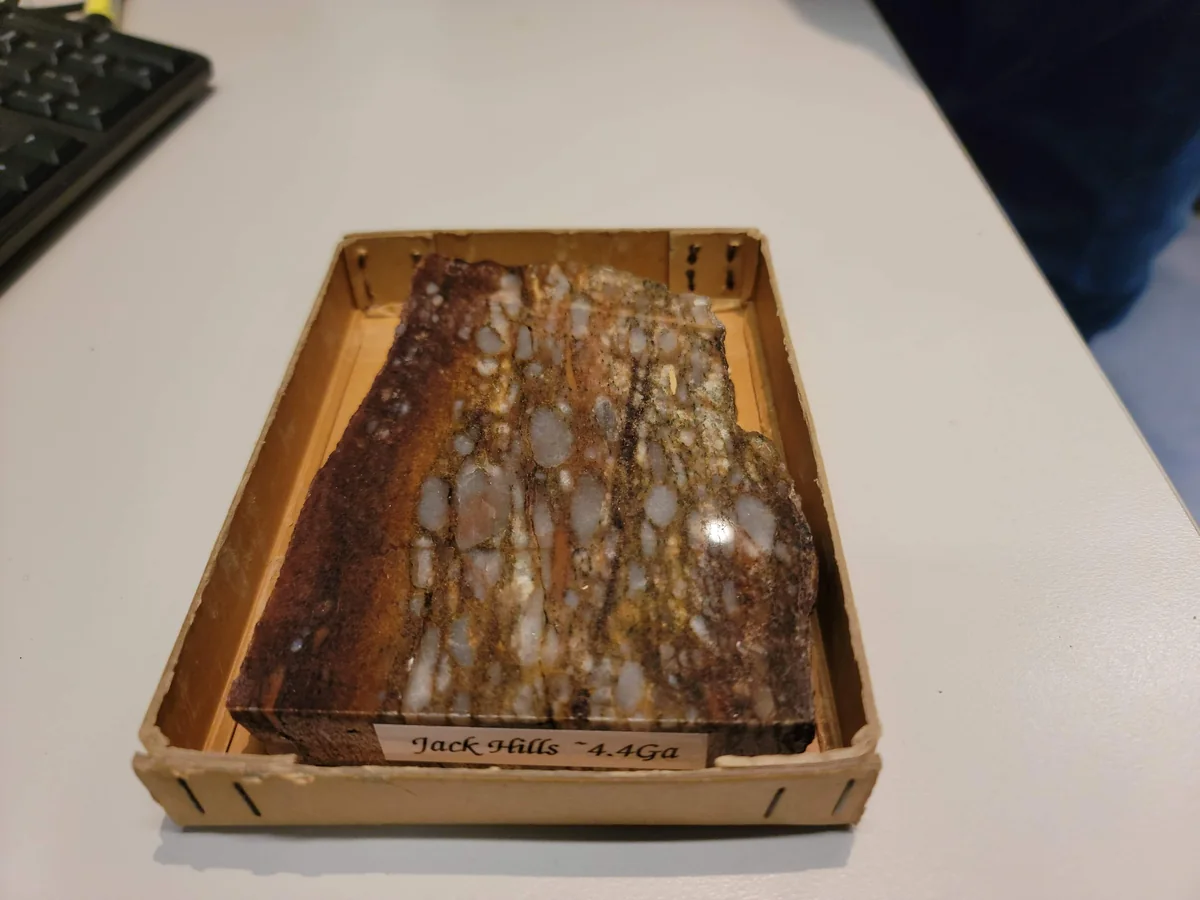
A study of lead isotopes finds that the signature of some of Earth's oldest crustal sources largely fades from the rock record between 2.75 and 2.63 billion years ago. The authors link the change to more efficient recycling of crust.
Curtin University research announcement
What the rocks record
A team led by Curtin University researchers compared lead isotope data from rocks spanning multiple ancient continental cores. The paper reports that chemically distinct reservoirs had formed by 4.0–3.7 billion years ago and continued to supply material for silica-rich magmas until about 2.63 billion years ago. Between 2.75 and 2.63 billion years ago, the distinctive lead isotope signature largely disappears from the accessible rock record. The researchers found a similar shift when they analysed the full dataset and when they grouped the records by region or mineral.
What the shift can tell us
The authors interpret the change as a sign that Earth was recycling its crust more efficiently and that magma generation was becoming more concentrated near plate margins. The isotope data record a change in the sources of magma. The date when plate tectonics first began remains uncertain. See Curtin University’s fieldwork photo.