UK clarifies safety rules for e-bike conversion kits
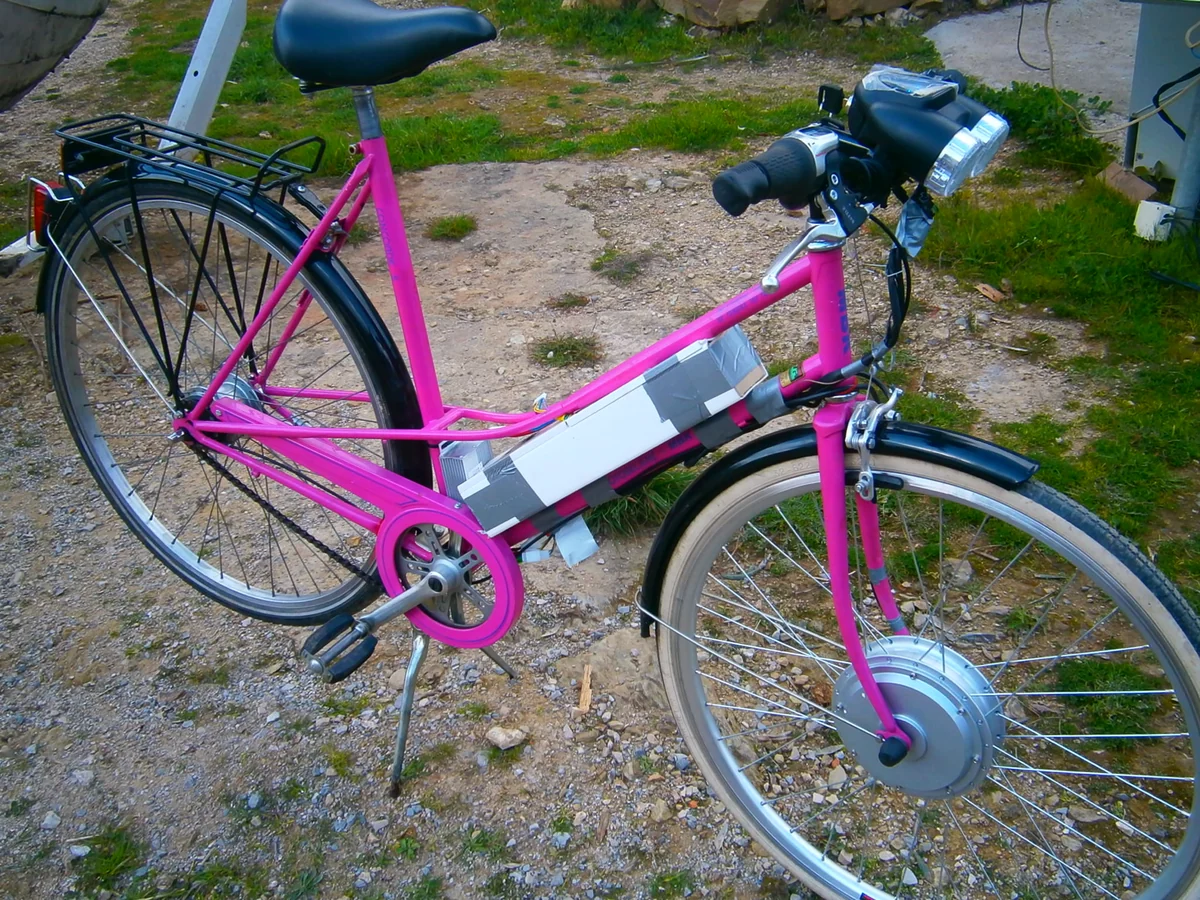
The UK Office for Product Safety and Standards (OPSS) issued guidance on 11 November 2026 explaining how existing machinery safety rules apply to e-bike conversion kits. It covers kits with a motor even when the battery or charger is sold separately.
What suppliers must provide
Businesses first placing a kit on the UK market must assess its conformity, prepare a declaration of conformity, apply the required marking and provide instructions for safe installation and use. The guidance explains existing duties under the Supply of Machinery (Safety) Regulations 2008 and introduces no new legal obligations.
What to look for before buying
OPSS expects clear instructions on which bicycles are compatible and which batteries and chargers can be used safely, including their voltage and power ratings. That information matters when buying components separately: OPSS says pairing incompatible equipment can increase the risk of failure and fire.
Check the rules for riding
The product safety guidance also covers kits that exceed the limits for an electrically assisted pedal cycle. OPSS says that a converted bicycle with a continuous rated output above 250 W or motor assistance above 15.5 mph cannot be used on public roads or public land unless it meets the applicable motor vehicle rules.
